Climbing
Approach Trails And Why Access Depends On Them
The path to the base of a cliff is rarely an accident of walking, and the condition of that path often decides whether a climbing area stays open.
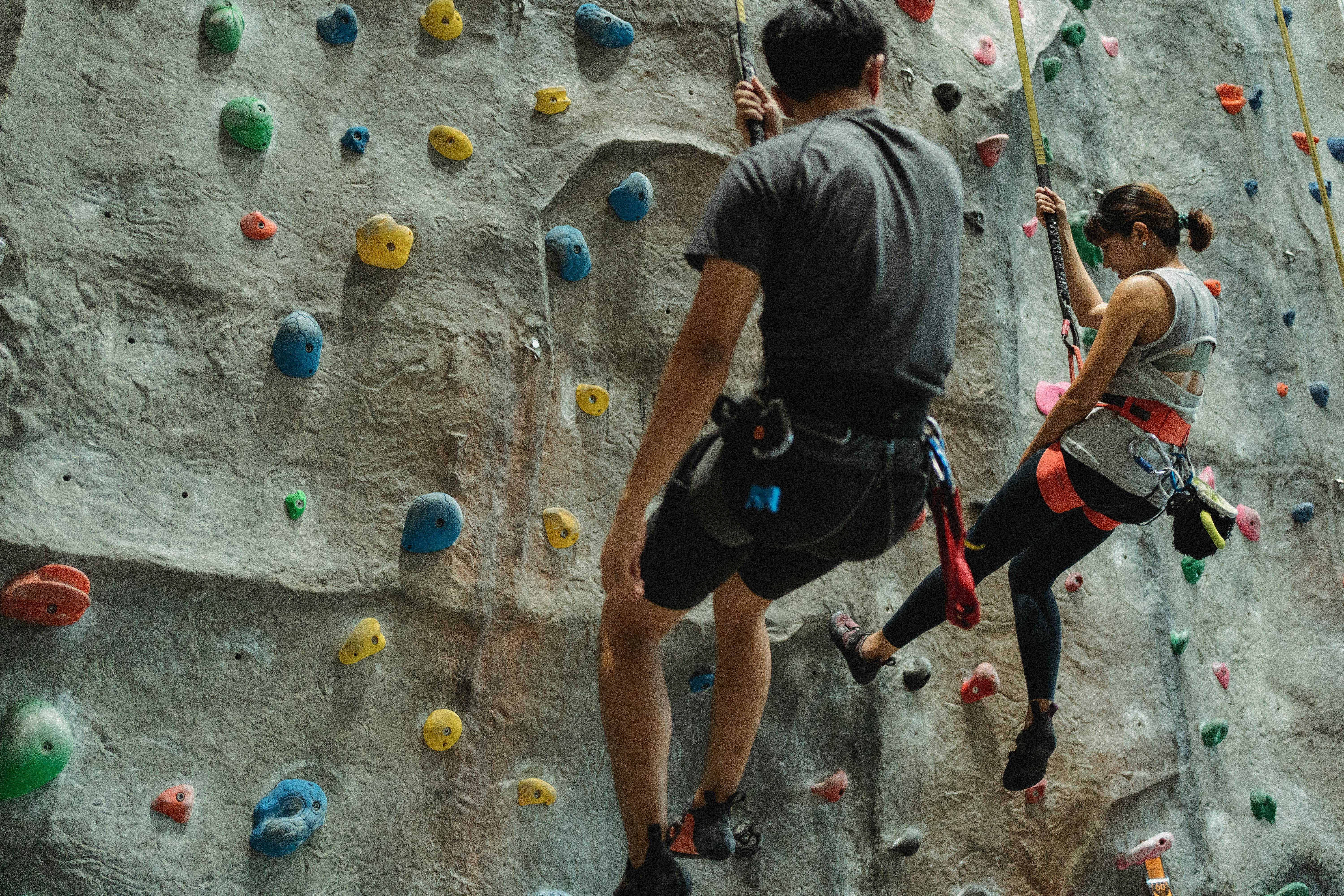
Most American climbing areas sit behind a footpath that someone built, maintains and negotiated permission for. The condition of that path is a better predictor of an area's future than the quality of its rock.
A braided approach is a warning sign
When climbers walk around a muddy section rather than through it, the path widens. Repeat that across a season and a single trail becomes three parallel scars.
Land managers see erosion, not enthusiasm. Widening trails on a slope shed soil into drainages, and that is the kind of impact that shows up in a management review.
The counterintuitive habit is walking straight through the puddle in boots you already accepted would get wet. It keeps the corridor narrow, which is the whole objective.
Somebody negotiated that parking lot
Access to a crag frequently depends on crossing ground that belongs to a different owner than the cliff itself. Private inholdings, ranch parcels and county road easements are common in the West.
Local climbing organizations and national access groups spend years on those conversations. The result is often an informal tolerance rather than a legal right, which makes it fragile.
Parking is where tolerance breaks down first. A dozen cars blocking a ranch gate produces a complaint, and a complaint produces a sign.
Trail work is skilled labor
Sustainable trail is built to shed water rather than carry it. That means grade reversals, outsloped tread and drainage features placed where the water actually goes.
Volunteer trail days run by regional climbing coalitions typically work under someone with a land agency background, because a badly built staircase concentrates runoff and fails within two seasons.
Anyone curious about the craft is better served attending an organized work day than improvising. The agencies involved have published standards, and they are freely available.
Fixed anchors changed the legal conversation
On federal land, particularly designated wilderness, the status of permanent hardware has been debated for decades. Policy has shifted more than once, and it varies by agency and unit.
Climbers who follow that conversation tend to know which unit they are in and what its current management plan says. That information lives with the ranger district, not with rumor.
Specifics change over time and by jurisdiction, so the durable habit is checking the current local rule rather than assuming last year's arrangement still holds.
Closures are usually about something living
Seasonal raptor closures are the most common form. Nesting peregrines and eagles occupy the same steep, featured faces that climbers do, and the closures run through the nesting window.
Others protect vegetation, cultural sites, or a landowner's calving season. The reason is not always posted at the trailhead, which is why the area's stewardship group publishes them.
Ignoring a closure costs more than a citation. Repeated violations are the argument used when a temporary closure becomes a permanent one.


