Backcountry Snow
Aspect Decides What The Snow Has Been Doing
The direction a slope faces determines how much sun it receives and how wind loaded it is, which makes aspect one of the strongest predictors of what the snowpack contains.
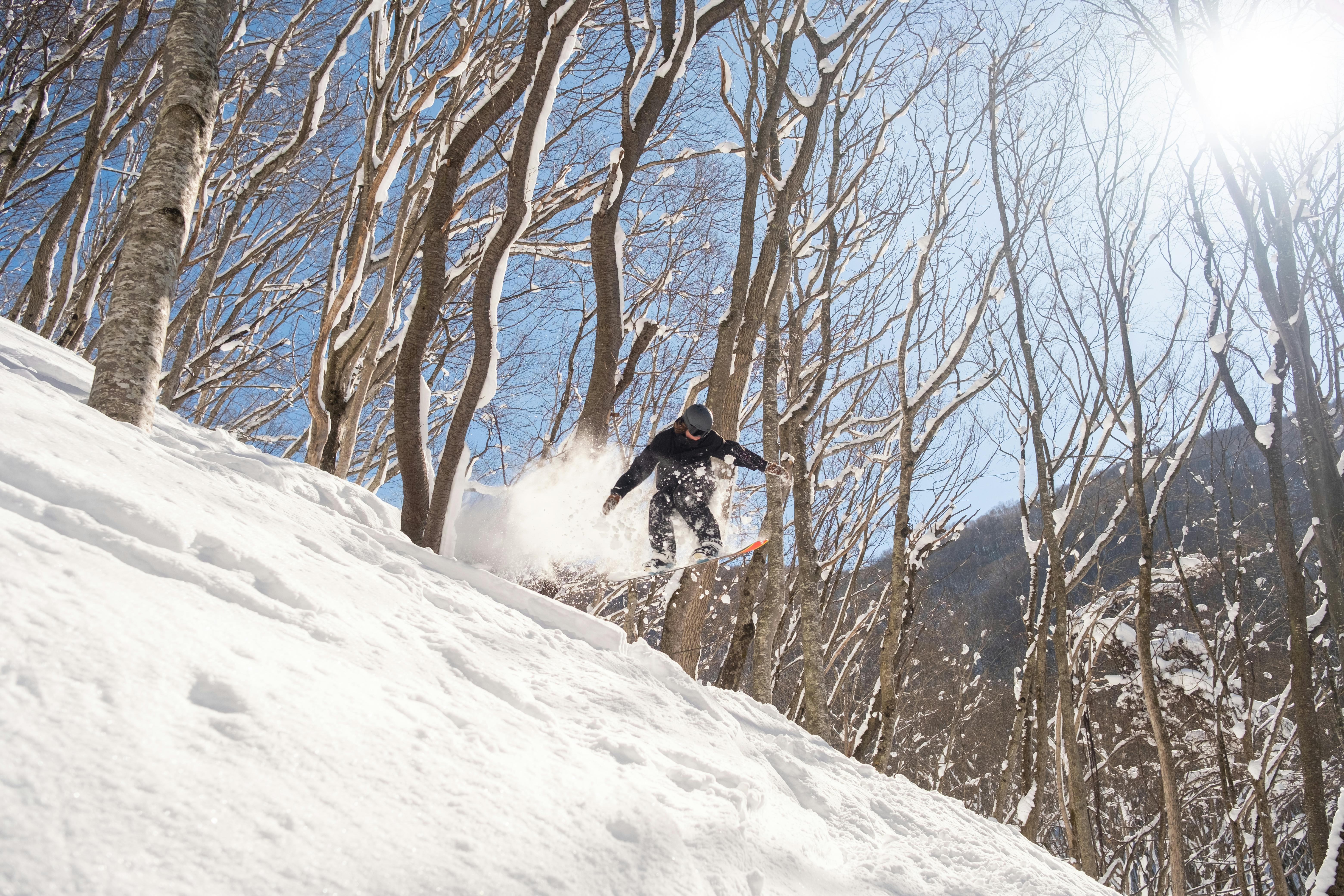
Aspect, the compass direction a slope faces, is one of the first things an avalanche forecast specifies. It determines the energy history of the snow on that slope, and history is what avalanche problems are made of.
Sun exposure is set by aspect and season
In the northern hemisphere, slopes facing south receive substantially more solar energy through winter, while north-facing slopes may receive almost none at midwinter.
Repeated warming and refreezing on sunny aspects tends to consolidate the snowpack over time, while shaded aspects stay cold and preserve whatever layers form.
This is why persistent weak layers are more commonly a north-aspect problem in midwinter, and why the same day's forecast can rate two aspects very differently.
Wind redistributes snow according to aspect
Prevailing wind strips snow from windward slopes and deposits it on lee slopes, building denser, deeper slabs on the sheltered side of a ridge.
Because those slabs form quickly and sit over whatever was there before, wind-loaded lee aspects are a recurring source of avalanche problems.
Aspect and wind direction together, rather than aspect alone, determine which slopes are loaded, and that combination changes with each storm.
The forecast expresses aspect graphically
Avalanche center forecasts use a rose diagram showing danger by aspect and elevation band, which is a compact way of stating that the problem is not everywhere.
Reading it properly means identifying which aspects and elevations your planned route crosses, not just noting the overall danger rating.
Routes commonly cross several aspects in a day, and a plan built on the summary rating alone misses the whole point of the rose.
Spring reverses much of the logic
As the sun climbs higher and the days lengthen, solar input increases sharply on east, south and eventually west aspects, and the concern shifts to wet snow.
Timing becomes the dominant variable, with slopes safe in the frozen early morning and unstable by afternoon on the same day.
The traditional response is to be off sun-exposed slopes before they soften, which puts spring travel on the same early schedule as alpine climbing.
Aspect is a navigation skill as well
Determining the aspect you are actually standing on is harder in flat light and complex terrain than it sounds, and slopes curve through several aspects.
Map, compass and mapping applications with slope and aspect shading are the practical tools, and checking rather than estimating is the discipline.
Courses teach this alongside slope angle measurement, because a party that misidentifies its aspect has applied the correct forecast to the wrong slope.
Also by Jonas Lindqvist
- How to read an avalanche forecast properlyBackcountry Snow
- Spring snow: wet slides, timing, and the shrinking windowBackcountry Snow
- Your first season of ski touring: what nobody warns you aboutBackcountry Snow
- Electronics in the cold: keeping the things you depend on aliveGear & Kit


