Surf & Ocean
Breath Hold Training And The Danger Of Practising Alone
Hyperventilation and repeated breath holds can cause a loss of consciousness with no warning, which is why unsupervised practice in water is the recurring factor in these deaths.
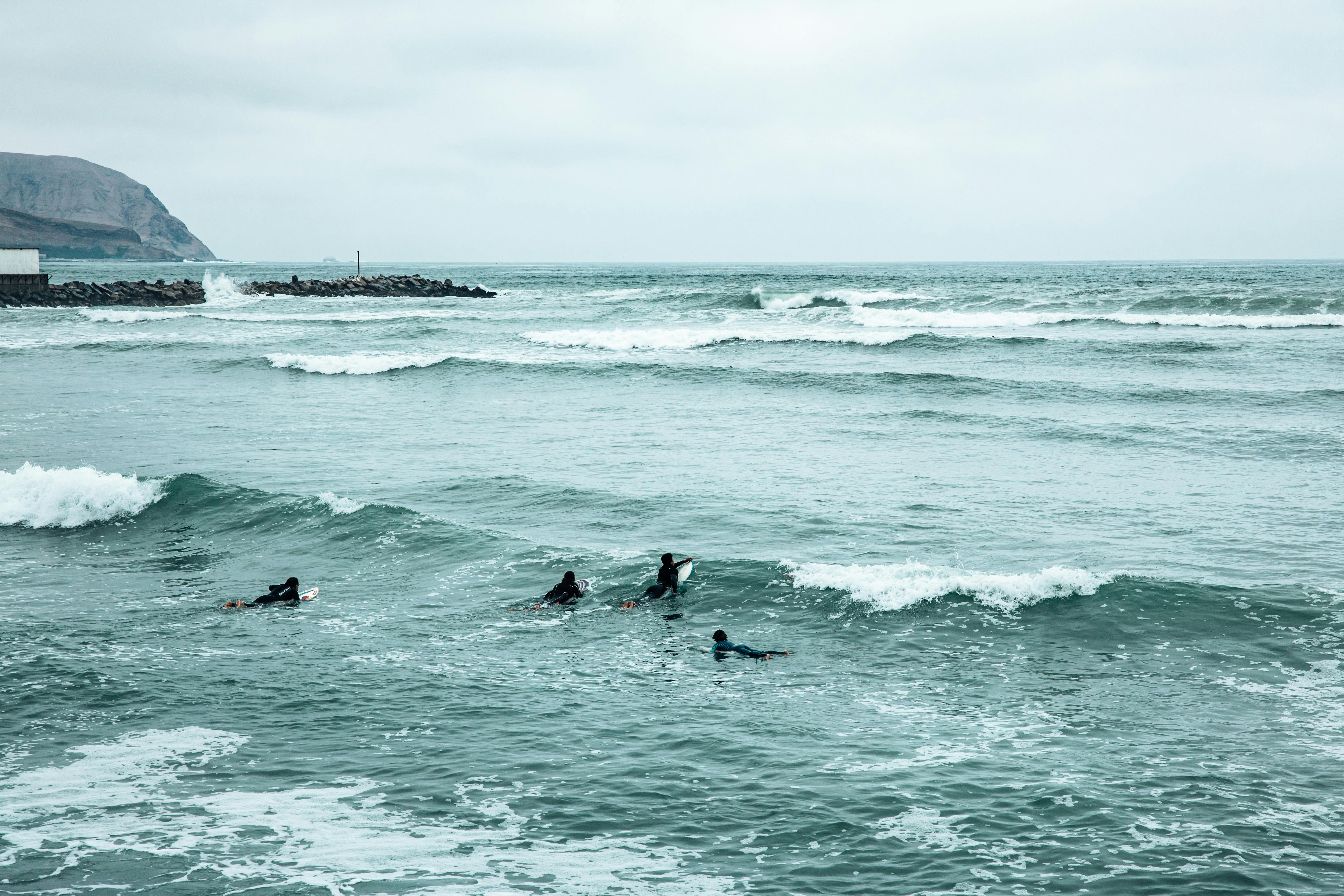
Breath-hold capacity matters to anyone held under by surf, and people train it. The way the body signals oxygen shortage is what makes unsupervised practice lethal.
The urge to breathe measures the wrong gas
The compulsion to inhale is driven mainly by rising carbon dioxide in the blood, not by falling oxygen. The body monitors the waste product rather than the fuel.
Under normal conditions this works, because the two move together and the urge arrives while oxygen remains adequate.
Anything that decouples them removes the warning. Oxygen can then fall to the point where consciousness fails while the person still feels able to continue.
Why hyperventilation is the classic error
Deliberately breathing hard before a hold lowers blood carbon dioxide below its normal level. It does not meaningfully increase oxygen stores, because blood is already close to saturated.
The result is a longer delay before the urge to breathe arrives, which feels like an improvement in capacity and is actually the removal of a safety signal.
The hold ends when oxygen runs out rather than when discomfort intervenes, and losing consciousness underwater without warning is how these incidents unfold.
Blackout can occur on the way up
In freediving, ambient pressure keeps oxygen usable at depth, and pressure falls during ascent. The partial pressure of oxygen drops sharply in the final metres.
A diver who felt fine at depth can lose consciousness close to the surface, which is why this is described as shallow water blackout and why it surprises experienced people.
There is no reliable warning and no ability to self-rescue. Recovery depends entirely on somebody else being immediately present and knowing what to do.
Repeated holds accumulate the effect
Successive breath holds with short recovery leave progressively less oxygen reserve, and the perception of difficulty does not track the actual deficit.
The same applies to holds combined with exertion, since working muscles consume oxygen much faster than a static hold does.
Pool sessions with repeated laps underwater have produced deaths in strong swimmers for this reason, often with lifeguards present who had no reason to look.
Why supervision is the entire safeguard
Freediving organisations are unambiguous that breath-hold work in water is done with a trained partner watching directly, close enough to intervene within seconds.
Many pools prohibit repeated or competitive breath holding outright, because the failure gives no visible sign and an unconscious person underwater looks like a person swimming.
Anyone wanting to develop breath-hold capacity for surf should do it through a recognised freediving course with qualified instructors, and should never practise it alone in any water.


