Risk & Rescue
Carry, Wait Or Go For Help
Deciding whether to move an injured person, wait with them, or send someone out depends on group size, weather, terrain and communications rather than on the injury alone.
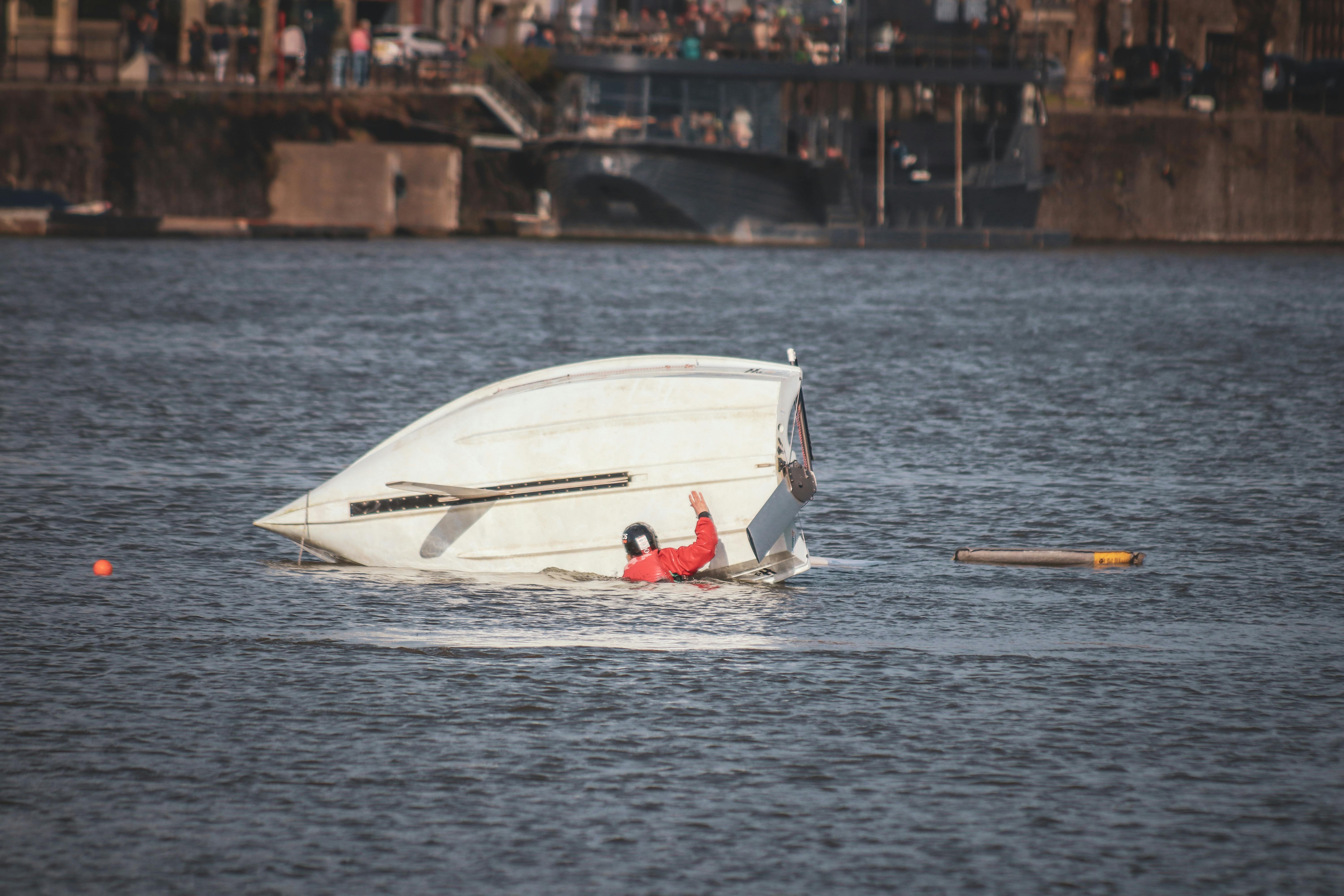
Once someone is hurt in a remote place, the group faces a decision with no clean answer. The variables that govern it are mostly not medical.
Communication changes everything first
If help can be summoned directly, the question usually becomes how to keep the casualty alive and findable until it arrives, rather than how to move them.
Where there is no signal, someone may have to travel to get one, which splits the group and removes people from the casualty at the moment they are most needed.
This is why parties establish where coverage exists before it is required, and why satellite devices change the calculation for remote trips more than any other equipment.
Group size sets the options
Moving an injured adult over rough ground takes several people, and doing it badly can worsen an injury substantially. A party of two rarely has the option at all.
A party of four can usually send two for help while two remain, which keeps the casualty supervised and the messengers safe.
A party of two faces the worst version, where leaving means the casualty is alone and staying means nobody knows what has happened.
Weather often forces the decision
An injured person stops generating heat. Exposure on an open slope in wind and rain can become the dominant threat within an hour, independent of the injury.
Where a sheltered spot is a short distance away, moving a short distance may be the correct choice even where movement carries risk.
Where the weather is deteriorating and evacuation is hours off, insulation, a group shelter and getting the casualty off the ground do more than anything else available.
The messenger has to survive the errand
Someone going for help is often tired, shaken and moving fast on the terrain that just caused an accident. Sending them alone is a decision with its own risk.
They also need to carry the information a rescue team requires, which is easier written down than remembered, and easier still if a location is recorded precisely.
Rescue coordinators consistently report that vague or second-hand information is a major cause of delay, and a messenger arriving without it can cost hours.
Why this needs training rather than reading
Every element here involves assessing an injury, and that assessment governs whether movement is even survivable for the casualty.
Wilderness first aid courses exist specifically to build that judgement, and they cover the moving and packaging techniques that cannot be learned from a description.
Anyone travelling regularly beyond quick road access should hold current training in this, because the decision arrives without warning and does not wait for consultation.


