Climbing
How American Guide Certification Is Structured
Guiding in the United States runs on a training and examination system with separate disciplines, and understanding it explains what a certification actually vouches for.
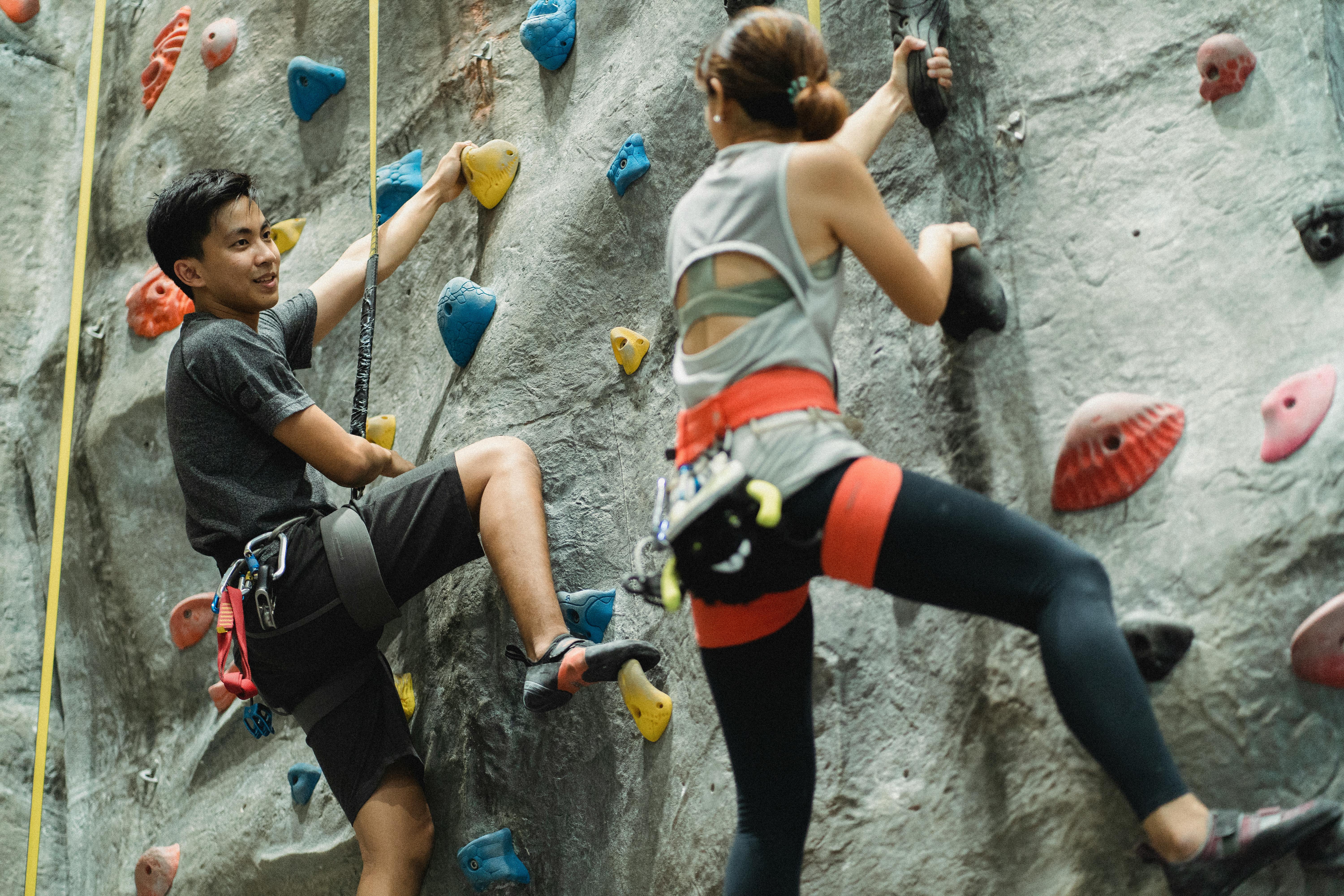
Hiring a climbing guide in the United States means encountering an alphabet of credentials. They are not marketing labels: they describe a defined path of training, examination and supervised work.
Certification is divided by discipline
The American system separates rock, alpine and ski disciplines, each with its own courses and exams. A guide certified in one is not thereby certified in another.
Completing all three tracks leads to the internationally recognized mountain guide credential, which is the highest qualification and takes most people years to reach.
That structure means the useful question for a client is not whether someone is certified but whether they are certified in the discipline you are hiring them for.
Exams test performance, not attendance
Each discipline has courses followed by an examination in real terrain, assessed by examiners over multiple days. Candidates fail exams, and retaking them is normal.
Assessment covers technical systems, movement, client management, terrain judgment and rescue, because a guide is being evaluated on running a day rather than on climbing hard.
The result is a credential that reflects observed performance in the field, which is why the process is long and expensive relative to a classroom certificate.
Single pitch and gym instruction sit lower on the ladder
Shorter instructor credentials exist for single-pitch cragging, climbing walls and top-rope settings. They are legitimate qualifications with deliberately narrow scope.
Someone holding a single-pitch instructor credential is qualified for exactly that environment, and reputable holders say so rather than extending the scope informally.
Confusion arises when a client assumes any instructor credential covers multi-pitch or alpine terrain. The scope statement is published and worth reading.
Permits are a separate requirement
Guiding on federal land requires the guide service to hold a permit from the managing agency, and those permits are limited, competitive and specific to areas.
A certified guide operating without the relevant permit on national forest or park land is working outside the system regardless of personal qualification.
Asking which agency permit a service holds for the area you will climb in is a reasonable question, and legitimate operations answer it immediately.
Wilderness medicine runs alongside
Working guides typically carry a wilderness medical certification with a defined recertification cycle, because backcountry care differs from an urban response with short transport times.
Those certifications lapse, and lapsed cards are common enough that guide services track them internally as an employment requirement.
For a client, the combination of the right discipline certification, a current medical certification and a valid land permit is what the credentials collectively describe.


