Climbing
How Crags Are Opened And How They Are Lost
Climbing access rests on landowner permission, negotiated agreements and wildlife law rather than any right to climb, which is why crags can close and sometimes never reopen.
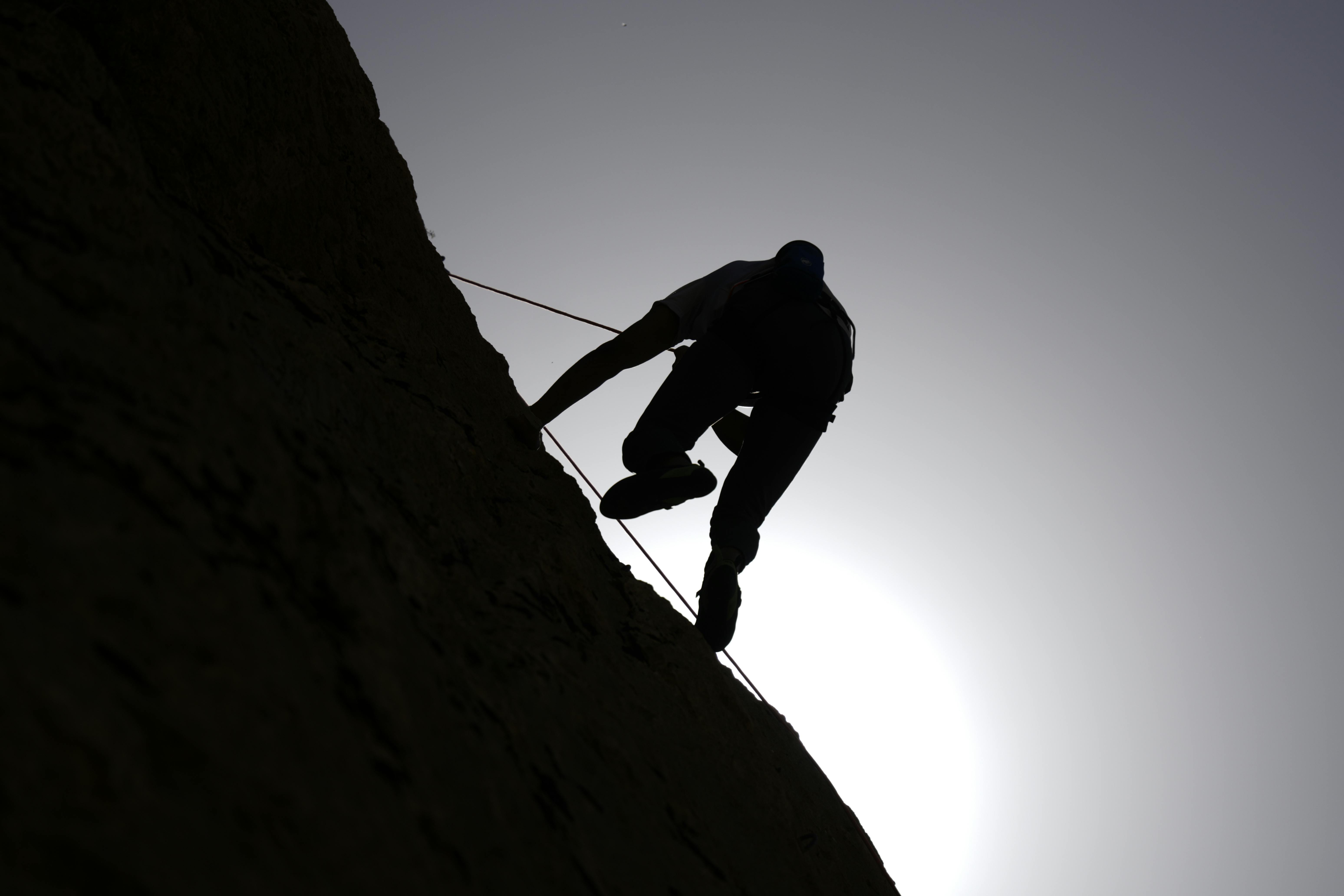
Most climbers arrive at a cliff assuming it is available. Behind that availability sits a fragile arrangement of permissions and agreements that can be withdrawn.
Someone owns the rock
Cliffs sit on land held by farmers, estates, quarry companies, water utilities, conservation charities or public agencies. Each has its own priorities, and climbing is rarely among them.
Rights of access vary enormously by country and by land designation. Some jurisdictions grant broad public access to open country; others treat any entry as trespass without permission.
Even where access exists in law, it may not extend to the activity. Walking across land and hanging equipment from it are legally distinct in many places.
Agreements are usually negotiated
Much popular climbing rests on arrangements brokered by national or regional climbing organisations. These often specify parking, approach paths, seasonal restrictions and whether fixed gear may be placed.
They are typically informal and depend on the landowner continuing to find the arrangement tolerable. Nothing obliges them to renew a permission that has become a nuisance.
That is why access bodies invest in relationships rather than campaigns. A single conversation with a farmer usually achieves more than a public dispute.
Wildlife closes cliffs on a schedule
Cliffs are prime nesting habitat for birds of prey and seabirds, and disturbance during breeding is restricted by law in most countries where climbing is popular.
Restrictions are usually seasonal and specific, covering particular buttresses for the months that matter rather than whole crags year-round.
They are published by the same climbing organisations that negotiate access, updated as birds settle, and lifted when chicks fledge. Checking before travelling is the entire obligation.
How access is lost
Closures rarely follow a single dramatic event. They follow accumulation: cars blocking a lane, gates left open, dogs among livestock, litter, human waste, and confrontations with residents.
Rockfall onto a road or a path, or an accident that draws emergency services repeatedly, can prompt a landowner to withdraw permission on liability grounds alone.
Recovering lost access takes years and sometimes never happens. Replacement crags do not exist, because a cliff is a fixed feature of a particular piece of land.
What individual behaviour actually controls
The variables climbers can influence are small and mundane: where they park, which path they use, how much noise they make, and whether they leave anything behind.
Established approach paths exist because they were agreed. Cutting a new one across a field is a visible change that landowners notice immediately.
Local guidebooks and access databases carry the current position for each crag, including restrictions that were added last week. They are the reference that keeps informal arrangements intact.


