Surf & Ocean
How Groundswell Is Made And Why It Arrives Sorted
Distant storms generate waves that disperse by speed across the ocean, which is why long-period groundswell arrives in clean ordered sets while local wind swell is disorganised.
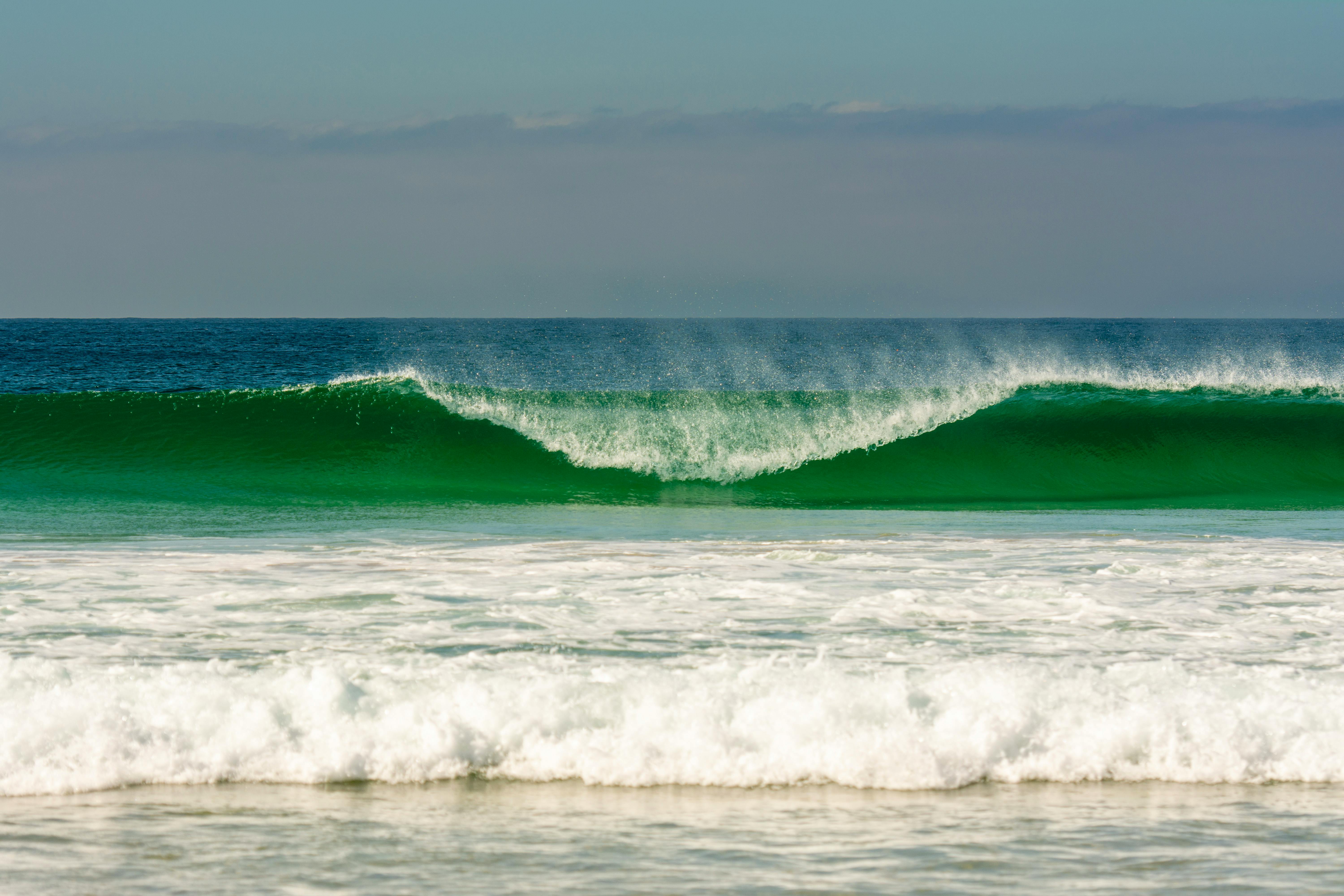
Two beaches on the same day can offer completely different surf from the same ocean. The difference is usually where the energy came from and how far it travelled.
Wind puts energy into water
Waves begin as wind dragging across the sea surface. The energy transferred depends on wind speed, how long it blows, and the distance of open water it blows over.
Close to a storm, the sea is chaotic. Waves of many sizes and periods exist together, travelling in slightly different directions, producing the confused surface known as wind sea.
If a surfer is near that generating area, what arrives at the beach is short-period wind swell, steep and disorganised, breaking without much power.
Dispersion sorts the energy
Waves in deep water travel at a speed determined by their period, the interval between successive crests. Longer-period waves move faster than shorter ones.
Over hundreds or thousands of kilometres, this speed difference separates the mixture. The fastest, longest waves arrive first, followed progressively by slower ones.
The result at a distant coast is ordered: consistent period, consistent direction, and waves grouped into sets rather than arriving randomly. This is groundswell.
Why period predicts power
A wave's energy extends beneath the surface to a depth related to its wavelength, and long-period waves carry that energy far deeper than short-period ones.
When such a wave reaches shallowing ground it interacts with the sea floor sooner and converts a great deal of energy into a breaking wave.
This is why a modest long-period swell can produce larger, more powerful surf than a bigger short-period one, and why forecasts list period alongside height.
Refraction bends the swell
As waves feel the bottom, the part in shallower water slows while the rest continues, which bends the wave crest toward the shallows.
Headlands, reefs and submerged banks therefore focus energy onto some spots and shadow others, which is why neighbouring beaches differ so sharply on the same swell.
Long-period swell refracts more, wrapping further into bays and around points, which is why certain sheltered spots only work when the period is high.
What this means for reading a forecast
A forecast gives height, period and direction, and the three together describe something quite different from height alone.
Direction determines which coastline the energy reaches and whether a spot is exposed or shadowed by land, which local knowledge translates into whether a break will work.
Local surf reports, lifeguard information and people who know the specific beach remain the source for conditions on the day, since bathymetry and currents vary in ways no general forecast captures.


