Climbing
Rest Days Are Part Of The Training
Adaptation happens between sessions rather than during them, which is why climbers who train constantly plateau and climbers who structure recovery keep improving.
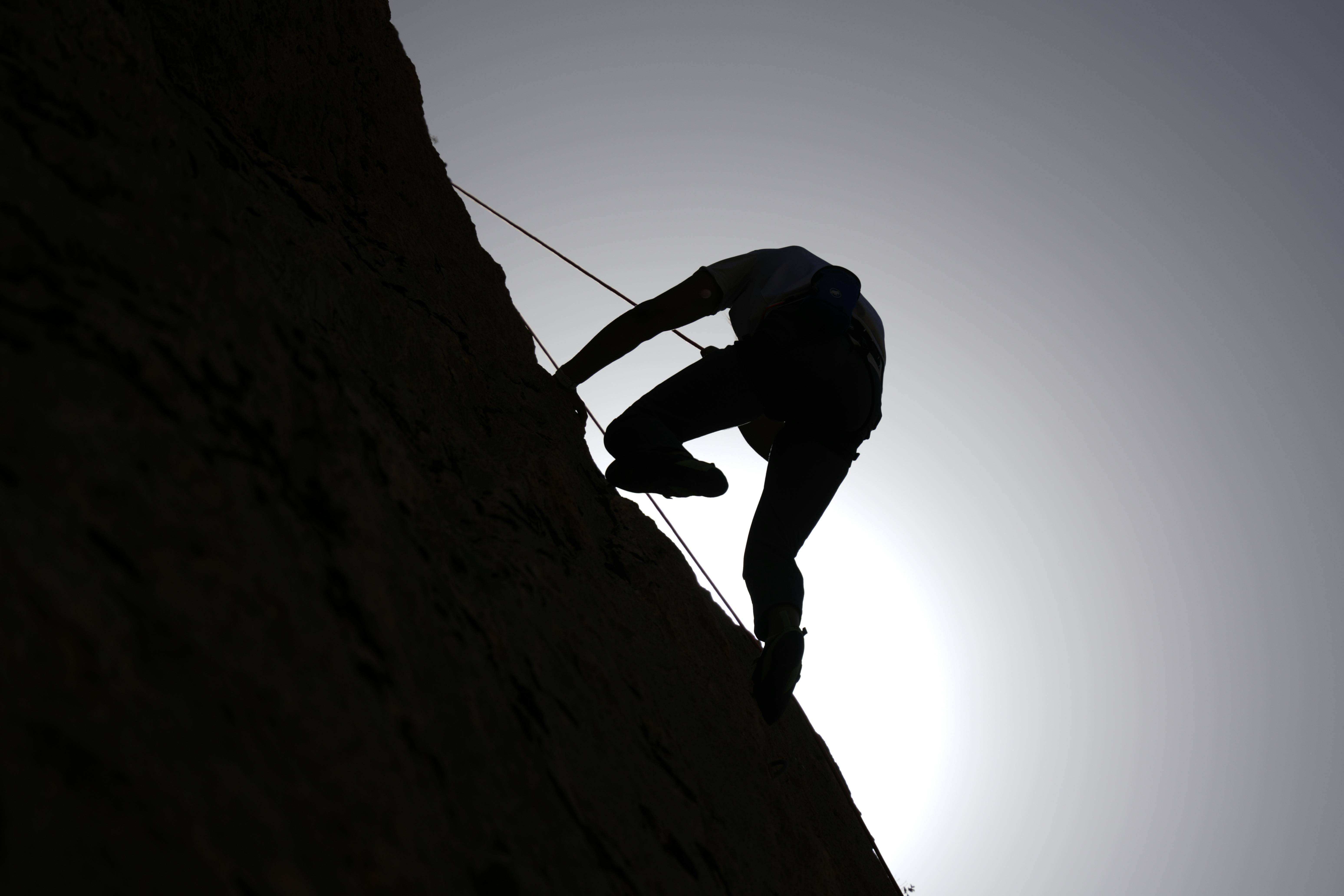
Climbers who train hard and continuously often stall, while those who train less frequently continue improving. The explanation is that the adaptation being sought occurs during recovery, not during the session.
The session is a signal, not the gain
Hard training temporarily reduces performance and creates a stimulus. The body then adapts in response, and that adaptation is what produces the improvement.
Applying another heavy stimulus before the adaptation completes stacks fatigue without adding capacity, and performance drifts downward while effort stays high.
This is why coaches structure training in cycles with planned lighter periods rather than as a continuous accumulation of hard sessions.
Tissues adapt on different timelines
Muscle responds relatively quickly to loading. Tendons, ligaments and the connective tissue of the fingers remodel far more slowly.
Climbing is unusual in loading small connective structures at high intensity, so the gap between what the muscles can pull and what the fingers can tolerate widens with training.
That mismatch is the standard explanation for why finger injuries cluster in climbers whose strength has increased quickly, often after a period of dedicated training.
Sleep is where most of it happens
The hormonal and repair processes associated with training adaptation are concentrated in sleep, and chronically short sleep blunts them measurably.
Athletes and coaches across sports treat sleep as a training variable rather than as a lifestyle matter, and climbing coaching has followed.
A climber who cannot add rest days can usually still add sleep, which is often the higher-yield change of the two.
Overreaching and overtraining are different states
A short period of deliberate excess followed by rest can produce a rebound in performance, and structured programs sometimes use it intentionally.
Prolonged accumulation without recovery produces a different and more serious state, with persistent fatigue, disturbed sleep, mood changes and declining performance that rest does not quickly fix.
Distinguishing between them is genuinely difficult from inside, which is part of why coaching and training logs exist.
Active recovery is not a rest day
Easy movement on a rest day supports circulation and mobility, and many climbers find they feel better for it than for complete inactivity.
The distinction is intensity. Easy climbing at a low grade for a short period is recovery; a full session at a moderate grade is training that has been mislabeled.
Any persistent pain, particularly in the fingers, elbows or shoulders, is a matter for a clinician familiar with climbing rather than something to train around.


