Climbing
Route Development And The Work Behind A New Line
Establishing a new climb involves cleaning, bolting or gear assessment, and often years of unrewarded labour, which shapes why crags develop the way they do.
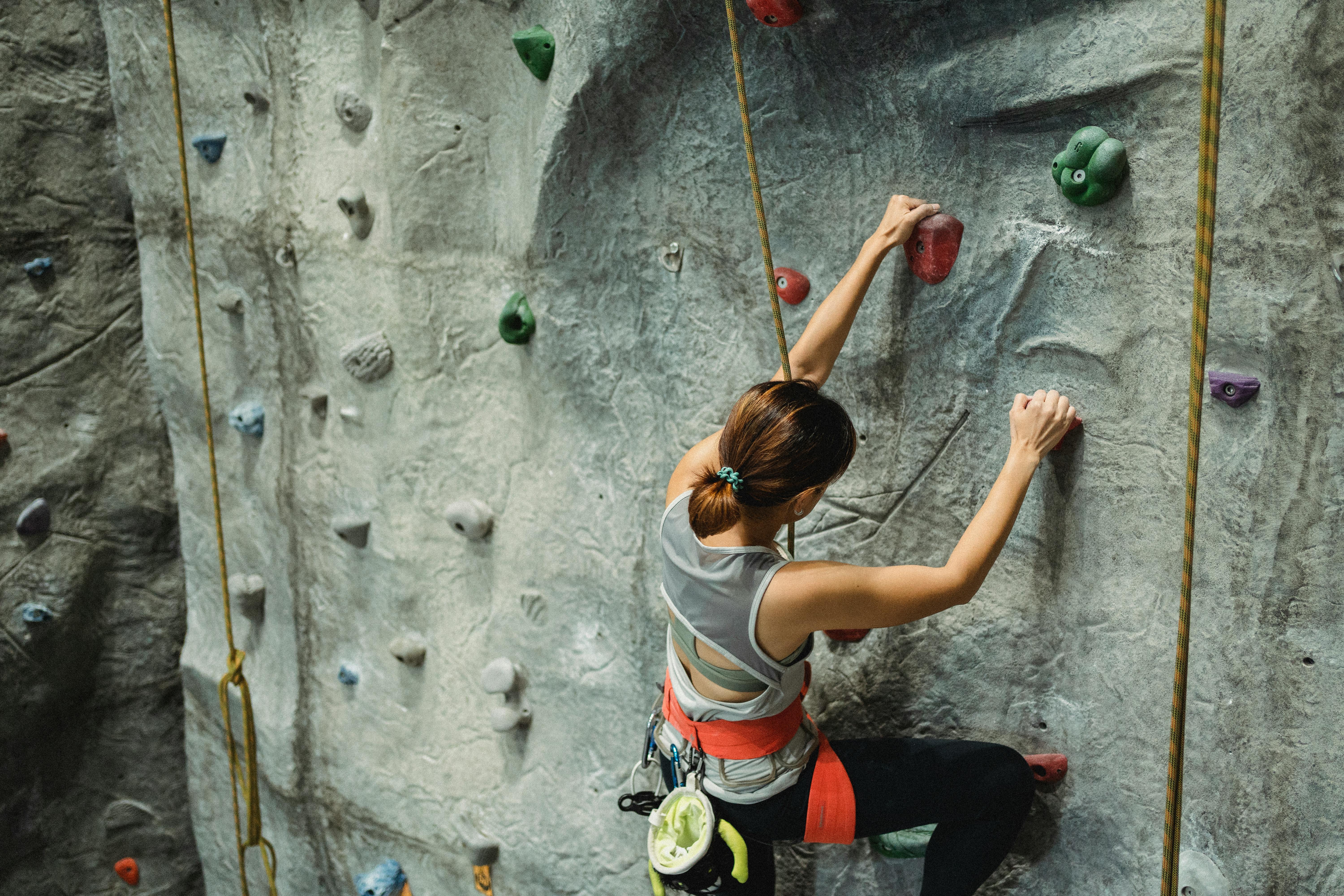
Every route in a guidebook exists because somebody did a large amount of unglamorous work. That work shapes which cliffs get developed and which stay empty.
Finding the line
Development begins with looking. A developer scans cliffs for continuous features that might yield a climbable sequence, often from the ground with binoculars over several seasons.
Access comes next, and it is a separate problem. Permission, approach, parking and any wildlife designation have to be resolved before a single hole is drilled.
Many promising lines stop here. A perfect wall on land whose owner does not want climbers is not a route, and treating it as one damages access for everyone.
Cleaning is most of the labour
New rock is rarely clean. It carries soil, vegetation, loose blocks and detached flakes that would be lethal if pulled off with a party below.
The developer works on a rope from above, removing what is loose and brushing out cracks. On a neglected cliff this can take many days per pitch.
The judgement involved is significant, because removing too much destroys features and removing too little leaves hazards for everyone who follows.
Fixed gear or none
On a sport route, bolt placement decides the character of the climb. Position determines fall clearance, rope drag and whether the route can be retreated from.
Holes are drilled into sound rock away from cracks and edges, and the hardware selected for the environment, since coastal and tropical cliffs demand different alloys.
On a trad line, the equivalent work is assessment: establishing that natural protection exists and is adequate, and describing that honestly in the eventual guidebook entry.
Local ethics govern what is allowed
What counts as acceptable development varies sharply between regions. Some areas permit bolts freely, others restrict them to faces without cracks, and some ban them outright.
These conventions are locally decided and enforced socially rather than legally. Bolting a line in an area with a strong traditional ethic reliably causes conflict and can jeopardise access.
The customary approach is to climb somewhere for a long time and talk to the people who developed it before adding anything permanent.
Why the record matters
A route only becomes usable once described. Guidebooks and online databases record the line, the grade, the protection and any hazard, and that description is what other climbers rely on.
Poor descriptions cause accidents, particularly where the danger of a pitch is understated or the descent is left vague.
Because developers are volunteers, this record is maintained by enthusiasm rather than obligation. Anyone relying on it should treat it as informed and generous rather than authoritative.


