Gear & Kit
Sleeping Warm When Everything Is Damp
A sleeping system is measured by the whole assembly rather than the bag, and the ground beneath you usually decides whether a cold night happens.
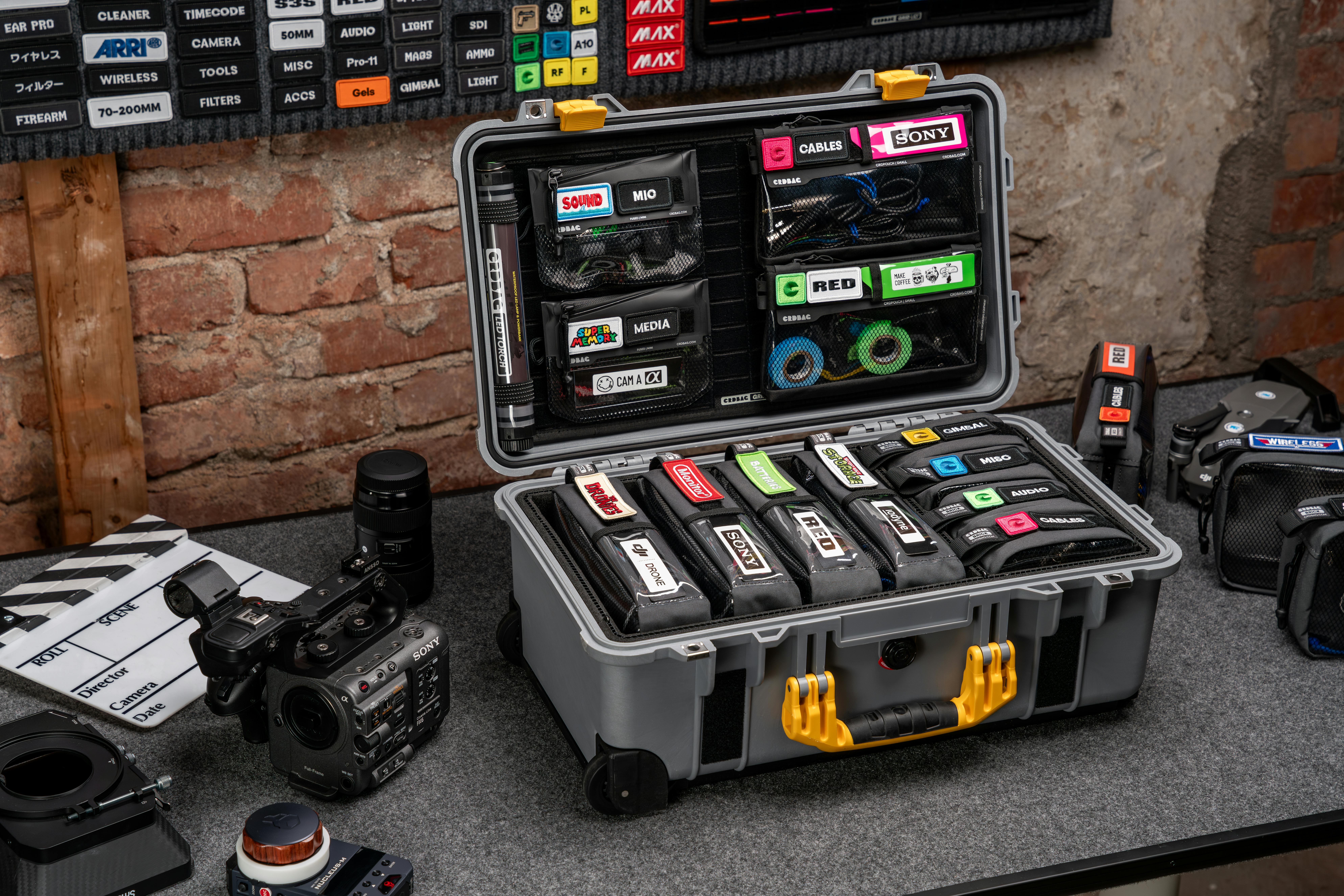
A cold night in the backcountry is usually blamed on the sleeping bag. More often the cause is the pad, the moisture accumulated during the day, or the way the system was set up.
Conduction into the ground is the main loss
A person lying down compresses the insulation beneath them, and compressed insulation does not work. Whatever loft the bag had underneath is gone.
The pad is therefore the actual insulation between body and ground, and its rated value describes how much resistance it provides to that heat loss.
Pads carry a standardized thermal rating that allows comparison between products, and stacking two pads combines their values, which is the standard winter approach.
Bag ratings describe a test, not a promise
Sleeping bag temperature ratings come from a standardized laboratory procedure using a heated mannequin, and they report distinct values for comfort and for survival limits.
The test conditions include a specified pad and clothing. Real conditions differ, and individual metabolism differs a great deal between people.
Reading a rating as the temperature at which you will sleep comfortably is the common misreading. It is a comparison tool between bags tested the same way.
Moisture accumulates over consecutive nights
A sleeping person releases considerable water vapor, and in cold conditions much of it condenses within the insulation or at the shell.
Down loses loft as it absorbs moisture, and on a multi-night winter trip the bag can be measurably less warm on night four than on night one.
Airing a bag during any sunny break, and using a vapor barrier in very cold conditions, are the established responses to a problem that otherwise compounds.
Condensation is a shelter design issue
Single-wall shelters and closed tents accumulate interior condensation from breathing, which then drips or transfers onto the bag by contact.
Ventilation feels wrong when it is cold, but a sealed shelter trades a small amount of warmth for a wet sleeping bag by morning.
Positioning the bag away from tent walls, and using a bag with a water-resistant shell, both reduce the transfer without requiring a different shelter.
Going to bed cold rarely fixes itself
A sleeping bag does not generate heat; it slows the loss of heat you brought with you. Getting in cold and waiting is often unproductive.
Eating, moving briefly, and changing out of damp layers before getting in are the standard practices, and they work because they add heat rather than retain it.
Persistent inability to warm up in an adequate system is a signal worth taking seriously rather than tolerating, particularly in a group setting where someone should notice.


