Backcountry Snow
Splitboards Solve One Problem And Add Others
Splitting a snowboard into skis makes backcountry travel possible for riders, but the transitions, the flat traverses and the mechanical complexity are the real trade.
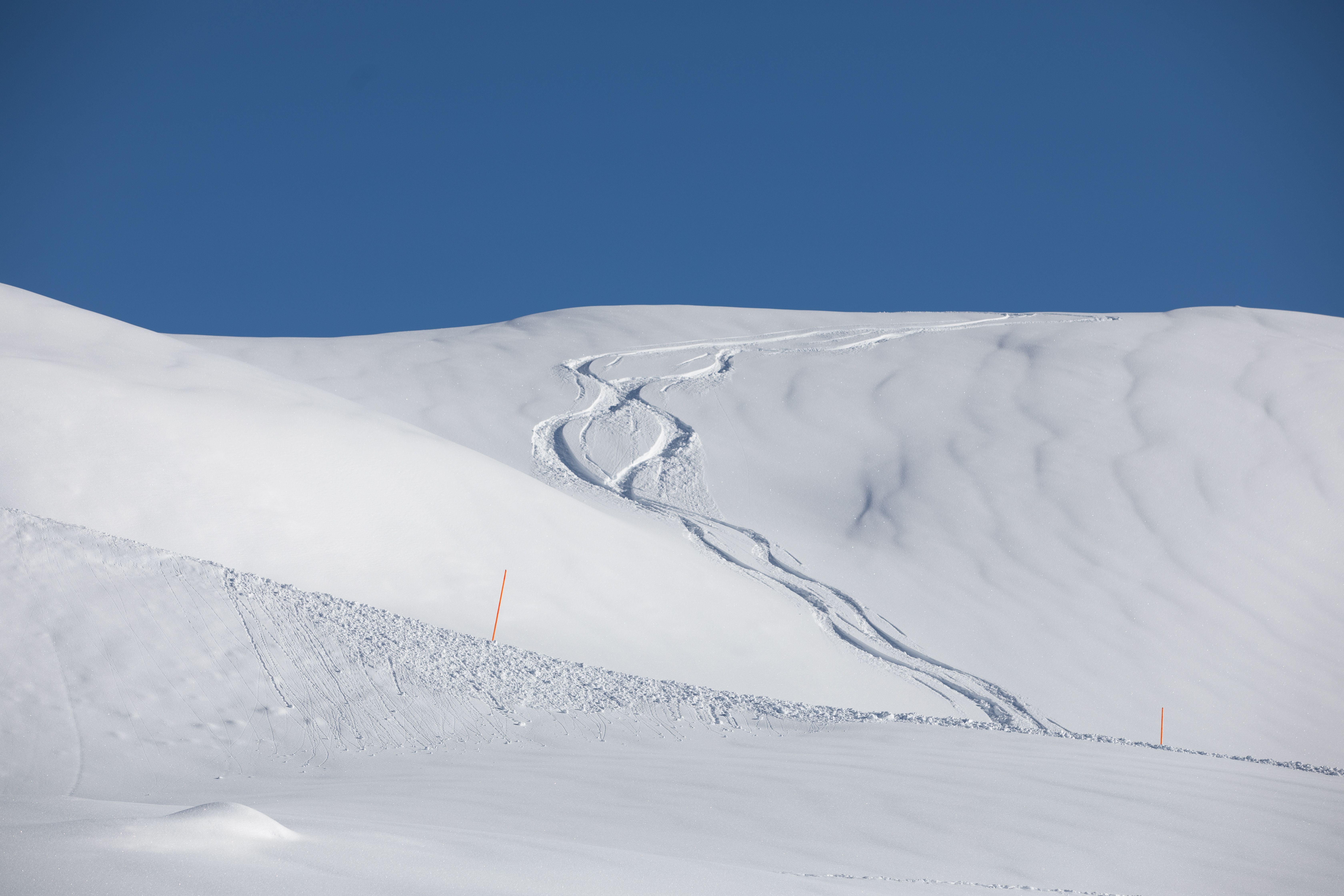
The splitboard opened backcountry terrain to snowboarders, and it works well. The costs are concentrated in the places a skier never thinks about: transitions, traverses and the hardware.
The board becomes two skis and back again
A splitboard separates lengthwise into two halves used as skis for climbing, with climbing skins attached, then reassembles into a board for the descent.
The hardware that joins the halves, holds the bindings and switches between modes is doing a demanding job, and it adds weight and parts to the system.
Modern designs are reliable, but every additional mechanism is a thing that can ice, loosen or break somewhere far from a road.
Transitions cost time in a place time matters
Switching between climbing and riding takes longer than a skier's binding change, and it must be done with cold hands, often on a windy ridge.
On a route with several transitions, the accumulated difference is significant, and mixed groups need to plan around it rather than pretend it does not exist.
Practiced riders reduce it substantially, which is a reason to rehearse the sequence at home rather than to learn it on the mountain.
Flat and traversing terrain is the weak point
A snowboard cannot be poled along a flat runout the way skis can, so a splitboarder either transitions again or unstraps and walks.
Sidehill traverses are also harder, since a splitboard ski is wider and softer than a touring ski and holds an edge less well on firm snow.
Route selection accounts for this, and experienced splitboarders plan lines that avoid long flats and traversing exits rather than enduring them.
Rescue equipment and skills are identical
Splitboarders travel in the same avalanche terrain as skiers, and the beacon, shovel, probe and training requirements are exactly the same.
One practical difference is that a splitboarder in ride mode cannot travel uphill without transitioning, which affects escape options and rescue approach.
Groups mixing skiers and splitboarders account for this in their planning, particularly around who can reach whom quickly if something happens.
Snowshoes remain a legitimate alternative
Carrying a solid board on the back and climbing on snowshoes is heavier and slower uphill but avoids the hardware and preserves the ride quality of a normal board.
For shorter objectives and steeper boot-packs it can be the more sensible choice, and plenty of experienced riders still use it deliberately.
Both approaches demand the same avalanche education and the same terrain judgment, since the method of ascent has no bearing on what the snow does.
Also by Jonas Lindqvist
- How to read an avalanche forecast properlyBackcountry Snow
- Spring snow: wet slides, timing, and the shrinking windowBackcountry Snow
- Your first season of ski touring: what nobody warns you aboutBackcountry Snow
- Electronics in the cold: keeping the things you depend on aliveGear & Kit


