Backcountry Snow
Uphill Travel At Ski Areas Has Rules
Skinning up a lift-served mountain sits in a gray zone between resort skiing and backcountry travel, and the hazards that make it complicated are mostly mechanical.
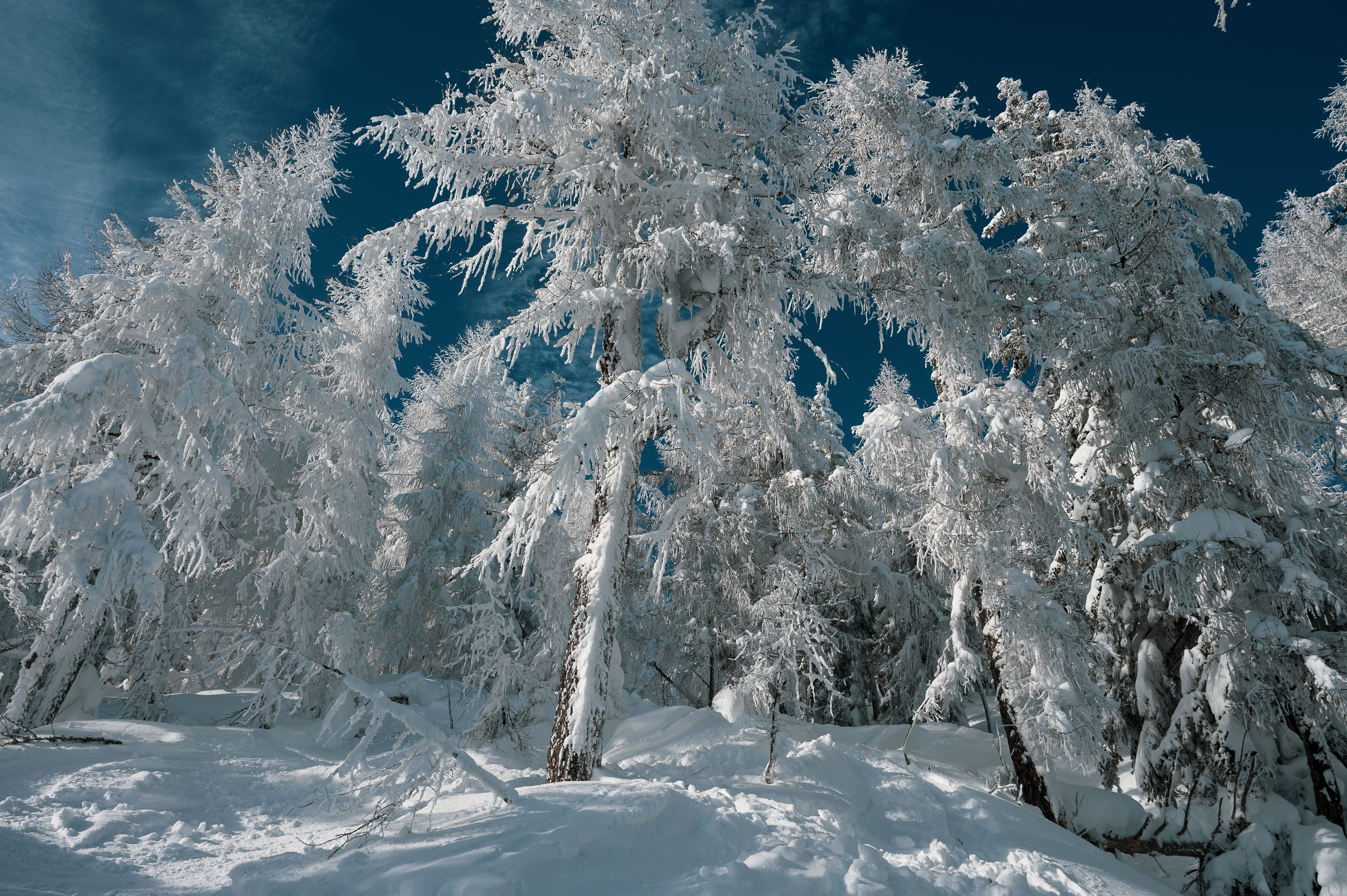
Climbing a ski area under your own power has become a mainstream activity across American resorts. It is neither resort skiing nor backcountry travel, and the hazards belong to a category of their own.
Access is a policy, not a right
Most American ski areas operate on leased public land or on private property, and uphill access is governed by the area's own policy rather than by public land rules.
Policies range from open access on designated routes to permits, defined hours and outright prohibition, and they change between seasons and between areas.
The policy is published, and checking it is the first step, because it also specifies the route, which exists for reasons that are not about convenience.
Grooming machines are the main hazard
Snowcats work at night and in low light, and on many terrain features they operate on winch cables anchored uphill, with the cable under enormous tension.
A winch cable can be nearly invisible and can sweep across a slope. This single hazard is why uphill routes and hours are prescribed so tightly.
Operators cannot see or hear an uphill traveler easily, and the machine cannot stop or maneuver like a vehicle. The responsibility sits with the person on skins.
Avalanche control changes the mountain overnight
Ski patrols conduct avalanche mitigation using explosives, often before the area opens. Terrain that is routine in the afternoon is an active work area at dawn.
Closed does not mean quiet. A closed area during control work is genuinely dangerous, and entering it interferes with a professional operation.
The published uphill hours exist substantially to keep recreational travelers clear of that window.
The descent is where the collisions happen
Skiing down before opening means descending an ungroomed or freshly worked slope with machines, snowmaking equipment, hoses and patrol staff present.
Snowmaking adds fixed pipes, guns and hoses that may be buried or partly covered, and it produces dense, variable snow that skis unpredictably.
Areas that permit uphill travel usually designate a descent route for exactly these reasons, and it is frequently not the route people would choose.
It is training, not backcountry substitution
Uphill travel at a resort builds fitness and skinning technique on controlled terrain, which is genuinely useful preparation for backcountry days.
What it does not build is avalanche judgment, since the slopes have been mitigated by a professional patrol and the decisions have been made for you.
Treating resort skinning as experience that transfers to unmitigated terrain is the reasoning error worth naming, because the skills it develops are physical rather than analytical.
Also by Jonas Lindqvist
- How to read an avalanche forecast properlyBackcountry Snow
- Spring snow: wet slides, timing, and the shrinking windowBackcountry Snow
- Your first season of ski touring: what nobody warns you aboutBackcountry Snow
- Electronics in the cold: keeping the things you depend on aliveGear & Kit


