Surf & Ocean
What Onshore And Offshore Wind Do To A Wave
Wind shapes the wave face by pushing against or supporting it as it steepens, which is why the same swell can be clean at dawn and unrideable by mid-morning.
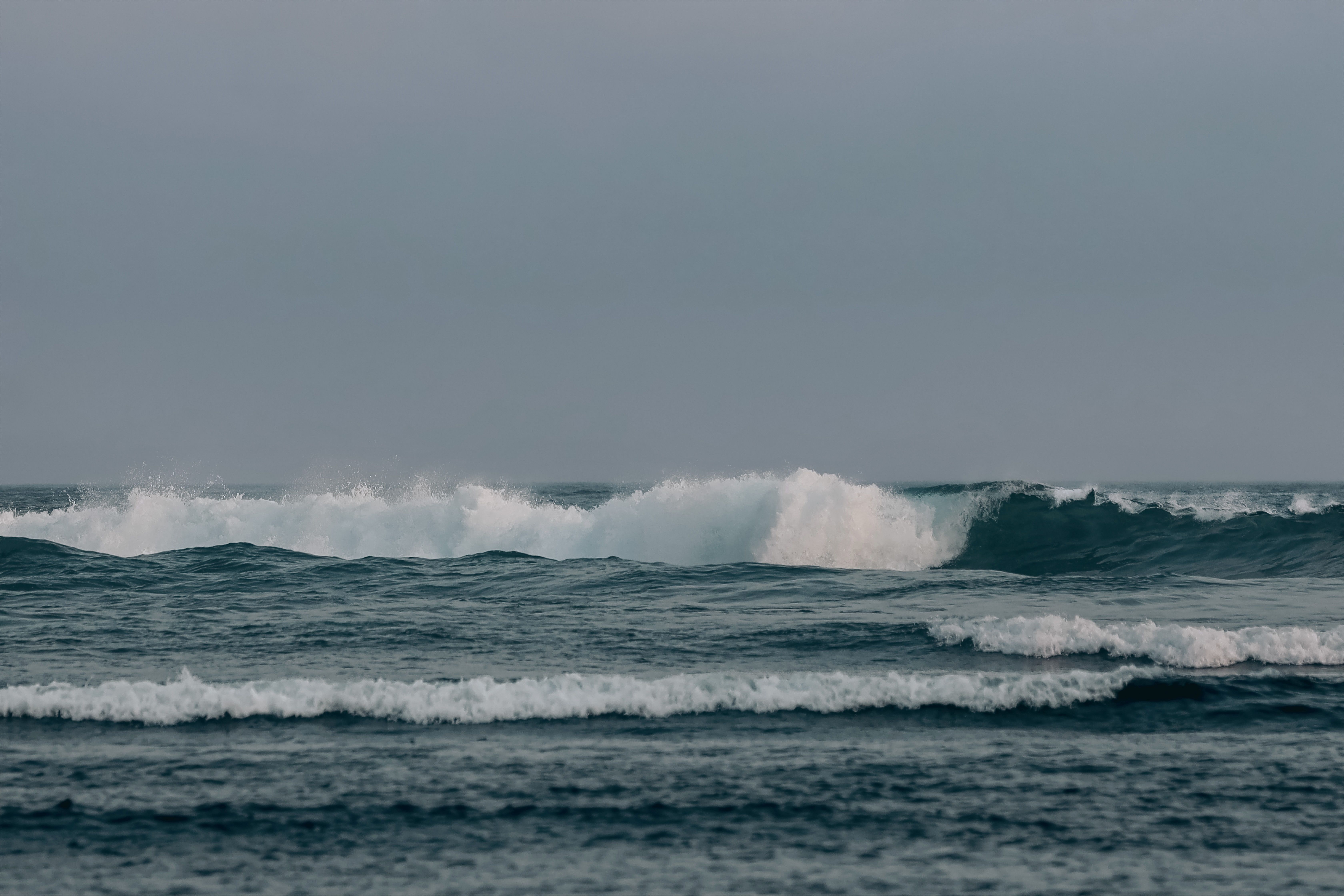
The same swell can produce excellent surf at first light and a mess three hours later. The variable that changed is usually wind, and its effect is mechanical.
Offshore wind holds the face up
Wind blowing from the land toward the sea pushes against the front of a wave as it steepens, delaying the moment the crest topples forward.
That delay allows the wave to stand up further before breaking, producing a steeper, more defined face and often a hollower shape.
It also smooths the surface by flattening small ripples travelling with the swell, which is the glassy texture surfers associate with early mornings.
Onshore wind breaks it down
Wind from the sea pushes the crest forward before the wave has fully formed, so it breaks earlier and in deeper water, crumbling rather than pitching.
It also generates its own short-period chop on top of the swell, so the face becomes a bumpy surface rather than a clean one.
Sustained onshore wind eventually creates enough local wind sea to obscure the underlying swell entirely, which is why a good forecast can deliver a poor day.
Too much of a good thing
Strong offshore wind is not simply better. It can hold a wave up so long that it breaks all at once, and can make paddling into a wave genuinely difficult.
Spray blown back off the crest reduces visibility at the moment of take-off, and the wind pushes a surfer up the face while they are trying to drop down it.
Light offshore is generally what people mean by ideal, and beyond a certain strength the effect reverses.
Why mornings and evenings differ
Many coasts have a daily cycle driven by uneven heating of land and sea, with a land breeze overnight and into the morning and a sea breeze developing through the afternoon.
That produces the familiar pattern of clean conditions at dawn and deteriorating conditions later, which is why surfers plan around the time of day as much as the swell.
The cycle is strongest in settled weather with strong sunshine, and it is overridden entirely by frontal systems and gradient wind.
Wind is also a safety variable
Strong offshore wind pushes floating objects, including people and boards, away from shore, and it can make returning far harder than leaving.
Onshore wind combined with a large swell increases the water pushed onto the beach, which strengthens the currents that carry it back out.
Local wind behaviour, its interaction with currents at a particular beach and what a given strength means there are things lifeguards and local surfers know, and worth asking before paddling out somewhere new.


