Risk & Rescue
What Wilderness Medical Certifications Cover
Backcountry first aid training comes in tiers with real differences in scope, and choosing between them depends on how far you are from a road rather than on ambition.
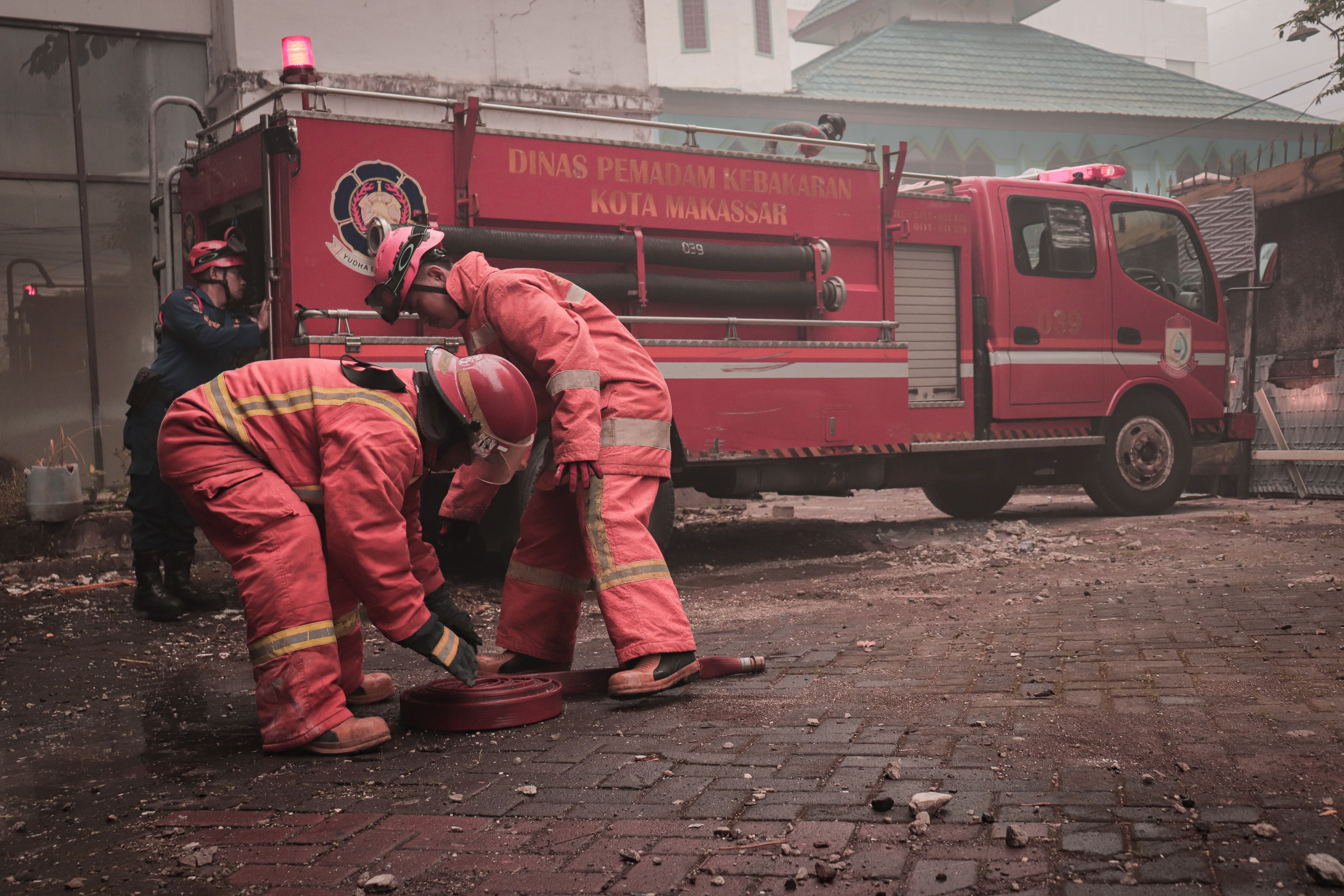
Wilderness medical training in the United States is offered at several levels, and the distinctions between them are substantive. The right level depends on the trips you actually take.
The defining difference is time to definitive care
Urban first aid assumes an ambulance within minutes. Wilderness protocols assume hours or days, which changes what a responder needs to be able to decide.
That extended timeline introduces problems urban courses never address: shelter, hydration, monitoring over many hours, and deciding whether to evacuate or wait.
It is why the wilderness qualifications are separate certifications rather than an add-on module, and why they include scenario work outdoors in weather.
The short course covers a weekend trip
A wilderness first aid course typically runs two days and covers patient assessment, common injuries, environmental problems and when a situation demands evacuation.
It suits people who travel with a group, stay within a day of a trailhead, and want to manage the interval until organized help arrives.
It is not intended to prepare someone to lead a remote expedition, and course providers are explicit about that boundary.
The responder level is the professional baseline
The wilderness first responder course runs substantially longer, usually across a week or more, and covers assessment in far more depth along with extended patient care.
It is the common employment requirement for guides, field instructors and outdoor educators, and many search and rescue volunteers hold it or more.
The added length goes largely into practice. Assessment under stress is a skill built by repetition, not by reading, and the scenarios are the point of the course.
Certifications expire deliberately
These credentials carry a recertification cycle of a few years, and the requirement exists because the skills fade and the protocols are revised.
Recertification courses are shorter and are essentially concentrated practice, which is a reasonable description of what the skill actually needs.
An expired card is common and worth noticing before a trip, because a group frequently assumes someone is current when nobody has checked.
Training does not replace calling
The single most useful thing wilderness medical training produces is a person who recognizes when a situation exceeds what the group can handle.
Courses teach evacuation decision-making directly, including the difference between someone who can walk out slowly and someone who must not be moved by amateurs.
Anything approaching a serious injury or illness belongs with professional medical care, and training is what makes the interval before that care safer rather than longer.


