Risk & Rescue
Who Comes When You Call For Help
Mountain and water rescue is largely delivered by volunteer teams activated through emergency services, which shapes response times, capability and what a caller should expect.
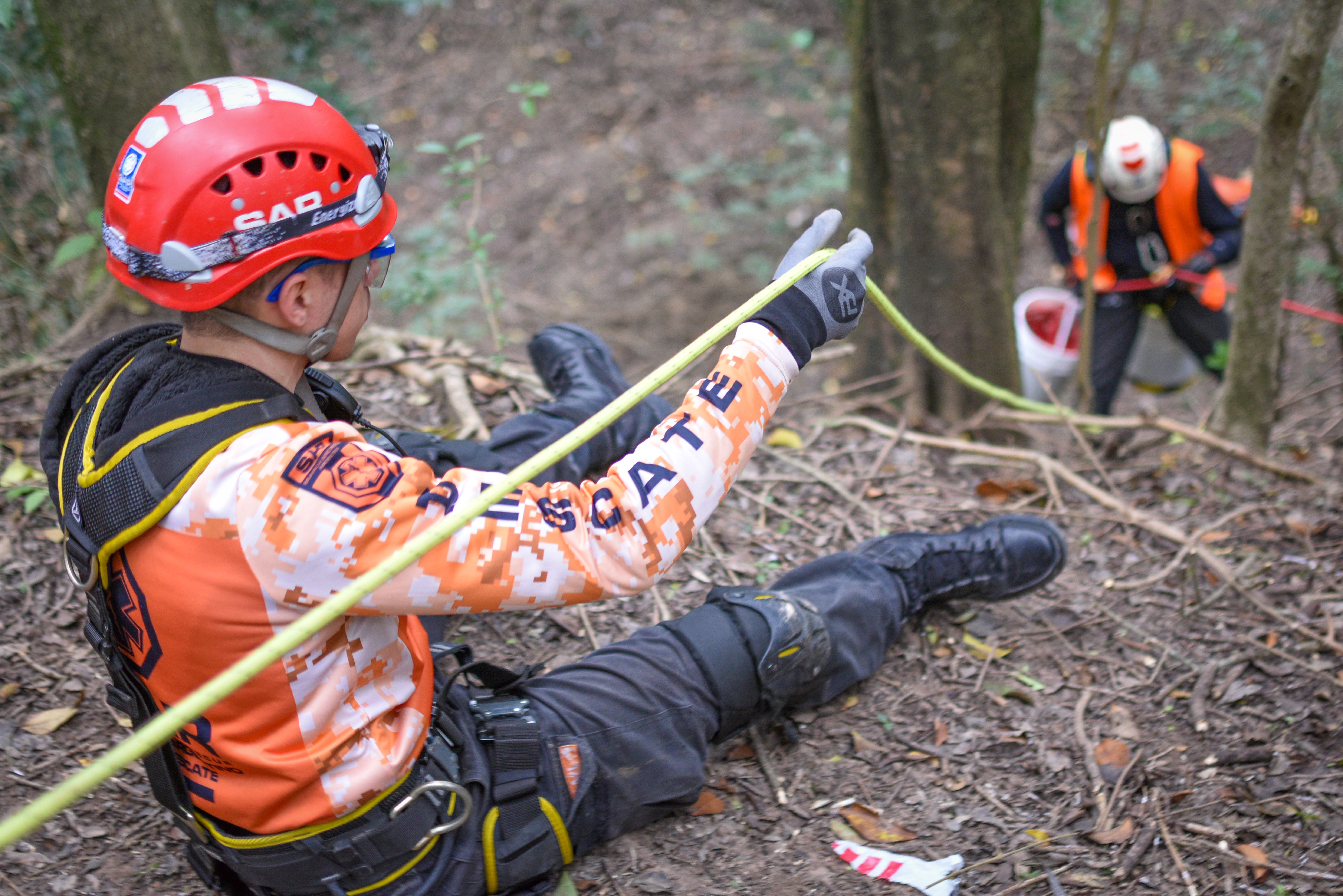
People assume rescue is a service that arrives. In most mountain and river environments it is a group of volunteers being woken up, and knowing that changes expectations usefully.
The activation chain
A call goes to the national emergency number, which routes it to the police or coastguard, who hold responsibility for coordinating land and maritime search respectively in many countries.
That agency then calls out the relevant specialist team. The people who will reach a casualty are usually not the people who answered the phone.
Every handover costs time and risks information loss, which is why the detail given in the first call matters so much to the team that eventually deploys.
Volunteers with day jobs
Mountain rescue teams in many countries are charities staffed by unpaid members who leave work or bed when a callout comes. Team members supply much of their own equipment.
Assembling a team therefore takes time that varies with the hour, the day and how many members are available. A weekday afternoon differs from a stormy midnight.
Capability varies too. Some teams hold swiftwater, cave or technical rope specialists; others have to request those from neighbouring teams, adding another delay.
Terrain sets the clock
Once a team deploys, travel time is governed by the ground. A casualty an hour's walk from a road is a different operation from one high on a face.
Carrying an injured person out on a stretcher requires many people and is slow. A short evacuation can occupy a full team for most of a day.
This is the arithmetic behind the standard advice to carry enough insulation and shelter to survive several hours of waiting, because several hours is a realistic figure.
What the team needs from the scene
Location precision drives everything. Coordinates from a phone or a satellite device compress a search into a direct approach, and a vague description expands it into a search.
The nature of the injury determines what is carried in, since technical rope equipment, a stretcher and medical kit are heavy and choices have to be made before setting off.
Numbers matter too, as does whether anybody else is at risk. A team responding to one casualty prepares differently from one responding to a group.
Why the system deserves protecting
Because these teams are volunteer and often donation-funded, their capacity is finite and shaped by local goodwill. Repeated avoidable callouts erode both.
None of this argues against calling. A genuine emergency is exactly what the system exists for, and teams consistently say that delayed calls cause worse outcomes than early ones.
The practical preparation is knowing the local emergency number and procedure for the area you are in, since arrangements differ between countries and even between regions.


