Climbing
Why Alpine Routes Reward A Smaller Rack
Climbers moving into mountain terrain routinely carry a cragging rack, and the weight and time it costs is usually a larger hazard than the protection it adds.
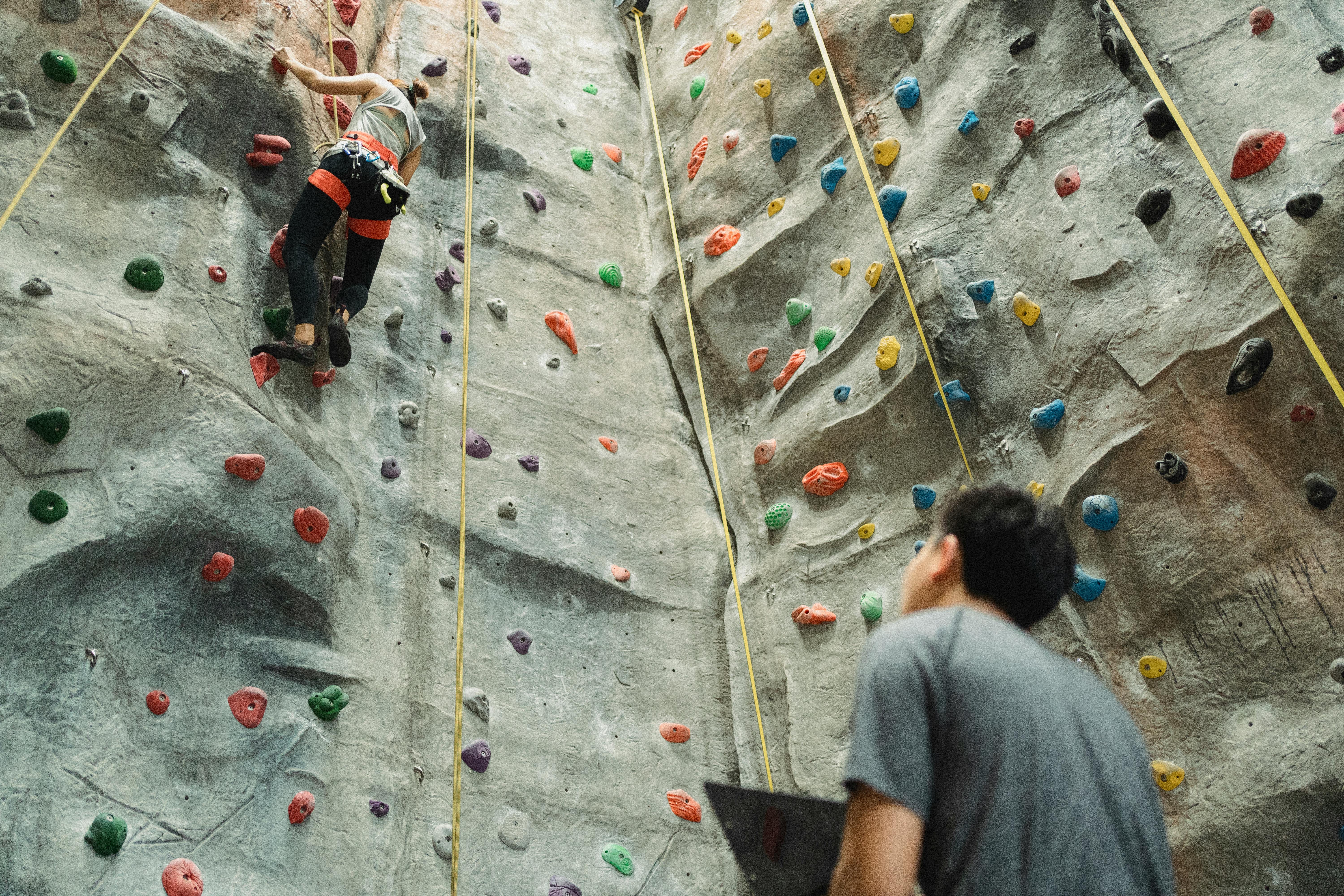
A climber arriving in alpine terrain from the crag tends to bring the rack they trust. In the mountains that rack becomes a liability, and the reasoning behind cutting it is about time rather than about bravado.
Speed is the alpine safety system
Mountain routes have hazards that accumulate with time on the face: afternoon storms, warming ice, rockfall released by the sun and darkness arriving before the descent.
A party moving quickly is exposed to fewer of those hours, which is why alpine climbers describe efficiency as a safety measure rather than as a performance goal.
Every additional piece of gear costs weight on the approach, time on the placement and time on the removal, and those minutes compound across a long route.
The rack is built for the route, not for comfort
Alpine racks are assembled from the route description, from what the rock actually accepts and from where the crux protection is expected to be needed.
That produces a rack with gaps, which feels wrong to someone accustomed to carrying doubles of everything. The gaps are deliberate and are covered by running it out on easy ground.
Building that judgment takes mentorship and progression through routes with less consequence, since the cost of being wrong about a rack is not recoverable mid-pitch.
Simul-climbing changes the arithmetic again
On terrain well below a party's limit, climbers may move together with gear between them rather than belaying each pitch, covering ground far faster.
This is a technique with genuine consequences, because a fall by the lower climber can pull the upper one off, and it is taught with specific systems and devices to manage that.
It belongs firmly in the category of skills learned from qualified instruction, not from reading, and most guides introduce it only after a foundation is solid.
Descent gear is not optional weight
Alpine descents frequently involve rappelling unknown terrain, and the material left behind at anchors has to come from somewhere in the pack.
Parties carry cord, webbing and rings for exactly this, and running out partway down a face is a well-documented way for a manageable day to become an epic.
Cutting weight from the descent kit is therefore the wrong place to economize, which is a distinction worth making explicitly when packing.
Conditions decide the rack more than the grade does
The same route in early season with snow in the cracks and in late summer with dry rock demands substantially different equipment and different skills.
Recent condition reports from local climbers, ranger stations and regional forums are the practical source, and they are more useful than any guidebook description.
A rack chosen from a guidebook alone assumes conditions that may not exist that week, which is the most common way a well-prepared party finds itself underprepared.


