Risk & Rescue
Why Backcountry Rescues Are Rarely Billed
Most American search and rescue is performed by volunteers under a sheriff's authority, which explains why the bill people fear usually never arrives and why hesitation costs lives.
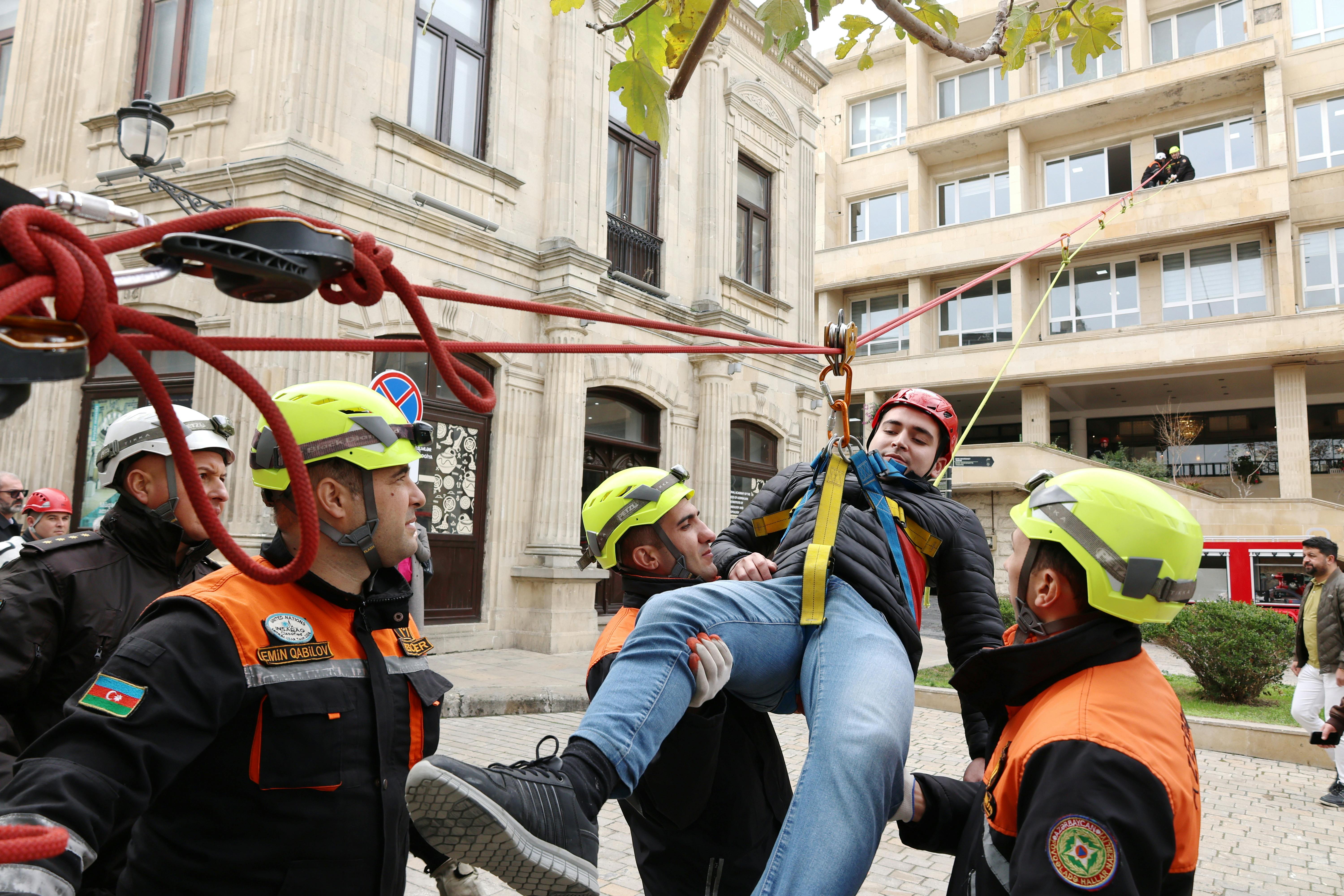
A widespread belief among American backcountry users is that calling for help produces a crippling bill. The structure of search and rescue in the United States makes that outcome uncommon, and the belief itself causes harm.
Search and rescue is a county responsibility
In most states, responsibility for search and rescue rests with the county sheriff. The sheriff coordinates the response and decides which resources are committed.
The people who walk in are frequently unpaid volunteers on organized teams, funded by their county, by donations and by grants. They are not billing by the hour.
National park units run their own operations with agency personnel. The authority differs, but the practice of not charging for the search itself is broadly similar.
The cost that does exist is usually medical transport
The bills people encounter typically come from ambulance service or from air medical transport after the patient has been reached, not from the search.
Helicopter hoists performed by a military or state aviation unit as part of a rescue mission generally do not generate a patient bill. A commercial air ambulance is a different arrangement.
Because arrangements vary by state, county and the specific aircraft involved, the accurate general statement is that costs depend on who transports you afterward.
A few states allow cost recovery, narrowly
Some states have statutes permitting recovery of expenses in cases involving recklessness or a violation of a closure. These are used sparingly and are not routine practice.
Several states also sell a voluntary card or fund that supports SAR teams and, in some cases, waives any recovery claim. The programs differ and change over time.
The practical step is checking what the specific state you are traveling in has in place, because none of this is uniform nationally.
Delay is the real cost
Rescue leaders consistently report that people wait too long, and the waiting is often attributed to fear of embarrassment or expense.
Delay converts manageable situations into overnight operations. A twisted ankle at midday is a walk-out with assistance; the same ankle reported at dusk is a technical carry in the dark.
It also transfers risk to the rescuers, who then work at night in the same terrain that stopped the party in the first place.
Calling early is not the same as calling casually
None of this argues for treating a rescue team as a shuttle service. Every activation puts volunteers on the road and takes them from families and jobs.
The distinction that matters is between a party that has genuinely run out of options and one that would rather not finish the day.
Teams would far rather stand down a call that resolved itself than begin a search at two in the morning for someone who hesitated.


