Risk & Rescue
Why Better Equipment Does Not Reduce Injuries
Safety improvements tend to be spent on greater exposure rather than banked as margin, which is why accident rates often stay flat while the equipment gets steadily better.
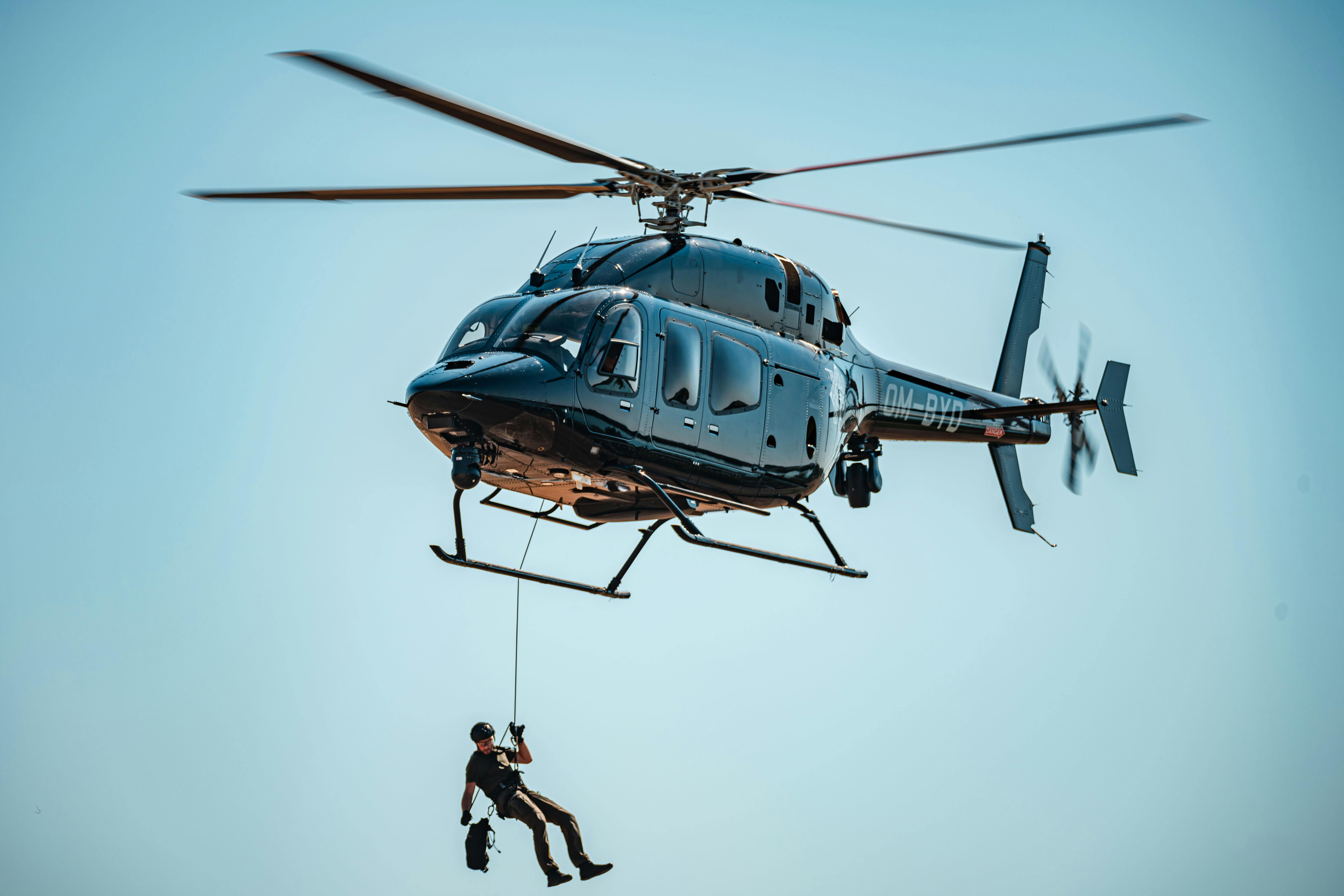
Adventure sports have improved their equipment enormously over recent decades. Injury rates have not fallen in proportion, and the explanation is behavioural rather than technical.
Protection changes the calculation
A person's willingness to take risk is not fixed by the equipment, but by how much risk they find acceptable. New protection shifts what a given choice costs.
Faced with a lower cost of failure, most people take the option they previously declined. The margin created by the equipment gets converted into additional exposure.
This is not irrational. Somebody who buys a better rope in order to climb harder is using the rope for exactly what they bought it for.
Where the effect shows up
Helmets, avalanche transceivers, airbags and locating beacons all produce documented patterns of this kind, with users travelling in terrain or conditions they would previously have avoided.
Rescue beacons are a clear case, because they change nothing about the hazard and everything about the perceived consequence of encountering it.
The equipment still works. A helmet that prevents a head injury has done its job. The question is whether the wearer is now in a place where more things can hit them.
Protection is narrower than it feels
Each item addresses a specific failure mode. A climbing helmet is designed largely for falling objects and certain impacts, not for every way a head can be injured.
A transceiver shortens burial time and does nothing about trauma or about the decision that put a party under the slope in the first place.
Because the protection feels general and is actually specific, the confidence it generates extends into areas it does not cover.
Why competence has the same problem
The same mechanism applies to skill. Improved technique lowers the chance of a mistake and typically gets spent on harder terrain rather than on a safer version of the old terrain.
This is why accident data often shows experienced participants prominently rather than beginners. They are exposed to more, more often, and at a higher standard.
Experience also breeds pattern recognition that works until conditions fall outside the pattern, which is when a long record of success becomes actively misleading.
Banking the margin instead
The alternative is a deliberate one: to treat an improvement as a margin to be kept rather than as a budget to be spent, and to hold the objective constant.
Groups that do this tend to make the decision explicitly, because the default drift is always in the other direction and happens without anybody choosing it.
None of this is a reason to carry less equipment. It is a reason to notice when a purchase has quietly changed what a party is willing to do.


