Risk & Rescue
Why Capable Groups Stand Still For Too Long
Delay at an accident scene is usually a social phenomenon rather than an individual failure, and naming the mechanism is what allows a group to break out of it.
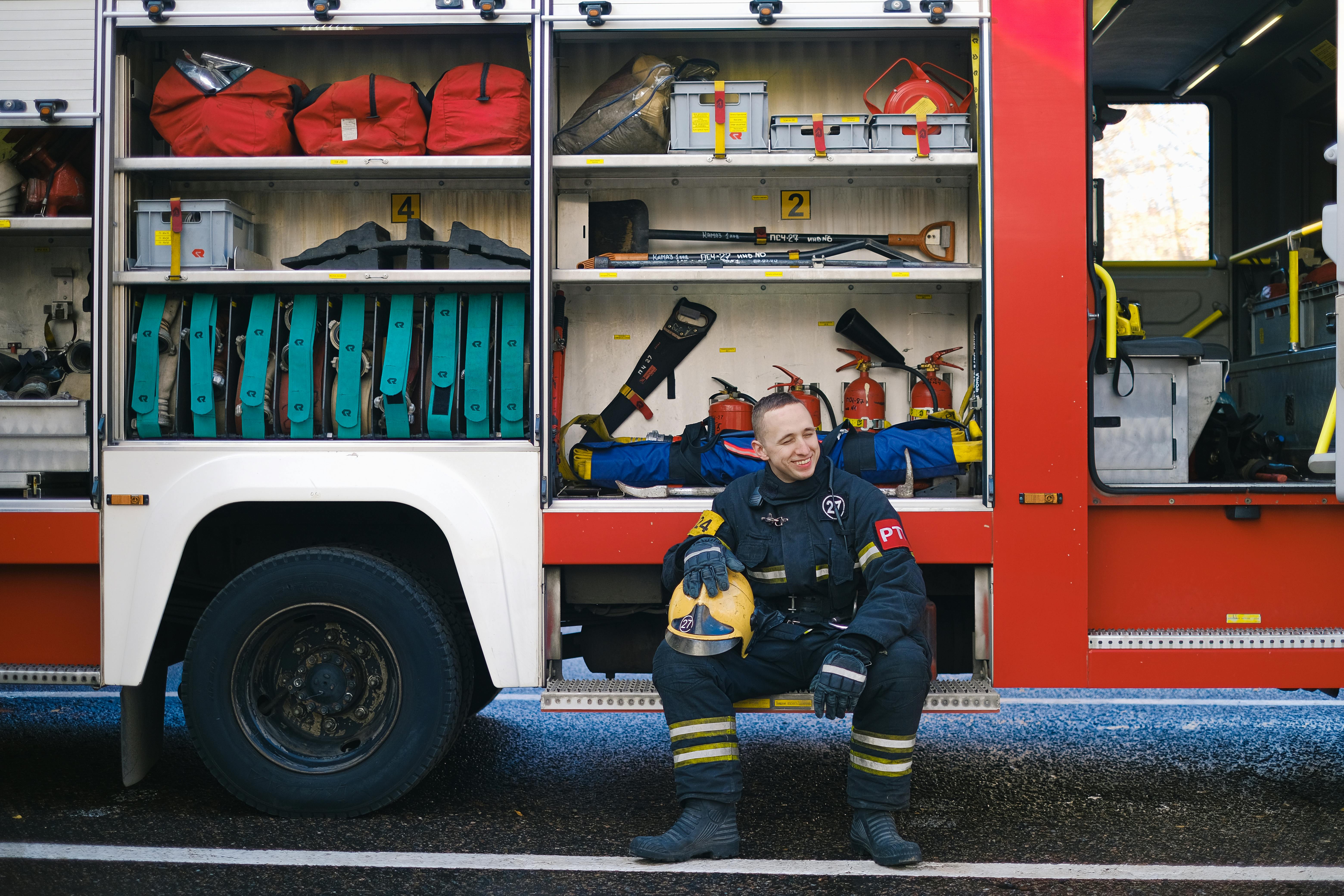
Groups at an accident scene frequently freeze for a period that feels much shorter from inside than it was. The reasons are well described in social psychology, and they are not about courage.
Responsibility spreads out in a group
When several people witness an emergency, each is less likely to act than a lone witness would be, because the obligation feels shared rather than personal.
The effect strengthens as the group grows, which is why a party of eight can stand watching while a party of two moves immediately.
Assigning tasks by name breaks it directly. A specific instruction to a specific person converts a diffuse obligation into an individual one.
People look to each other to decide what is happening
Faced with an ambiguous situation, individuals check others' reactions to determine whether it is serious. If everyone is checking, everyone sees calm.
That feedback loop can keep a group in an information-gathering posture well past the point where the situation is obvious in hindsight.
One person stating plainly what they think is happening is often enough to break the loop, which is why explicit speech matters more than volume.
Expertise can make it worse
In a group where several members are experienced, each may assume a more qualified person will step forward, and the most qualified may not be the most assertive.
Established teams address this by deciding roles before an incident, so authority is settled while nobody is under stress.
Recreational parties can do the same in a two-minute conversation at the trailhead, which is the cheapest intervention available.
Stress narrows what people can do
Under acute stress, fine motor skills, working memory and peripheral awareness all degrade, which is why trained responders rely on checklists and rehearsed sequences.
Anything a person can do without thinking survives that degradation. Anything requiring novel problem-solving becomes much harder.
This is the reason rescue training emphasizes repetition of simple actions rather than the memorization of decision trees.
The first minute has a script worth rehearsing
Trained groups have a default opening: check the scene for hazard, count people, identify who is injured and name someone to start the call.
Having that sequence in advance means the group is executing rather than deliberating during the period when deliberation is least effective.
Wilderness medical and rescue courses drill exactly this opening for that reason, and the drill is the point rather than the content.


