Risk & Rescue
Why Rescue Cover Rarely Matches The Trip
Travel insurance commonly excludes the activities, altitudes and remoteness that adventure trips involve, and rescue costs and medical repatriation are separate questions with different answers.
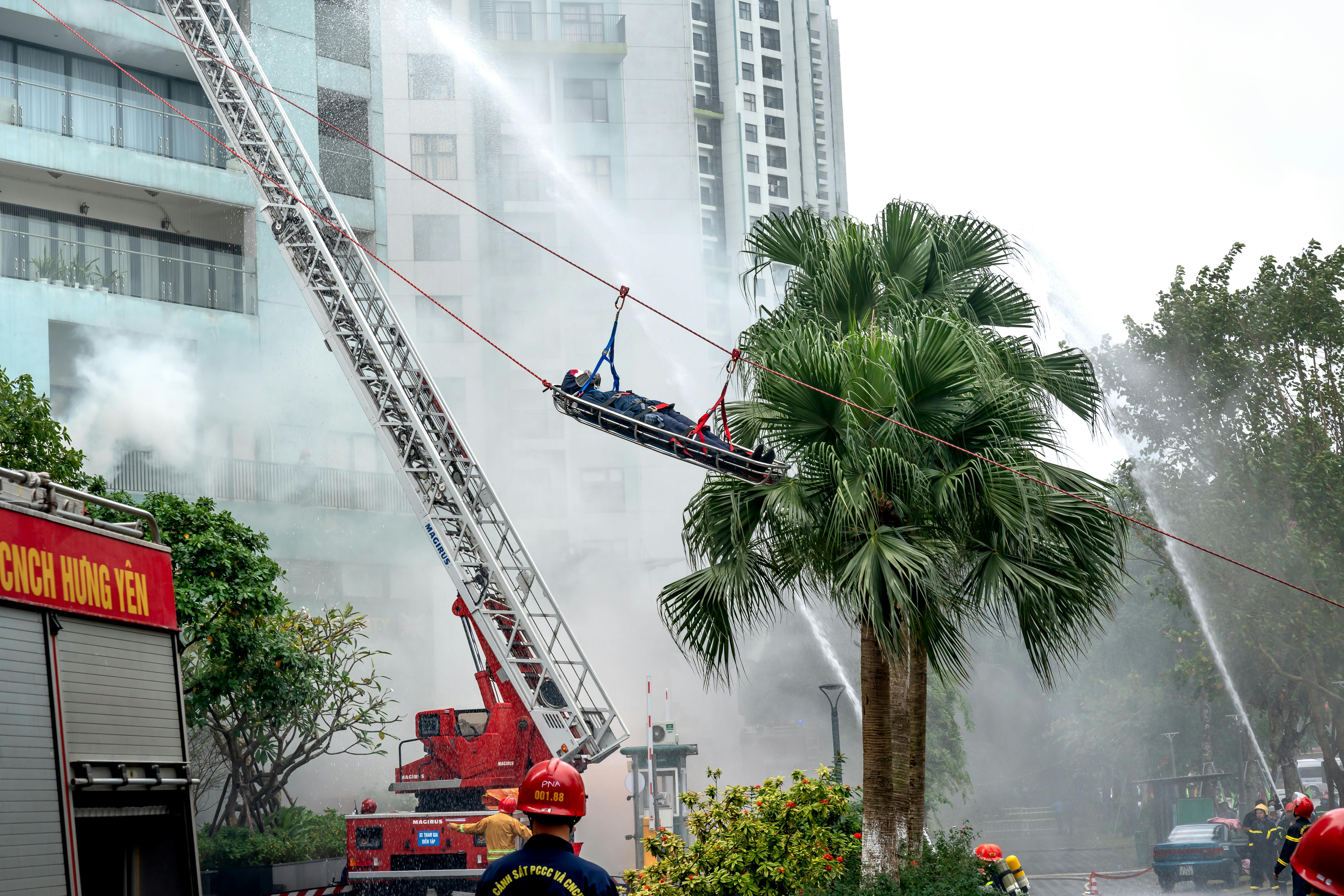
Insurance for adventure travel is bought once and read afterwards. The gaps that matter are structural rather than hidden, and they follow a consistent pattern.
Activity definitions do the excluding
Policies list covered and excluded activities, and the definitions are narrower than the words suggest. Hiking may be covered while scrambling is not, with the boundary undefined.
Roped climbing, ski touring outside patrolled areas, whitewater above a certain grade and diving are commonly excluded from standard policies or require a specific extension.
The wording usually turns on whether the activity was organised, supervised, or within marked areas, which is precisely where adventure sport tends not to sit.
Altitude and remoteness thresholds
Many policies specify a maximum altitude, above which cover lapses regardless of the activity. Trekking policies and mountaineering policies often differ sharply on this figure.
Some also exclude areas without road access, or set a limit on distance from medical facilities, which can quietly void cover for exactly the trips that need it.
Government travel advisories add another layer, since travelling against an official advisory commonly invalidates a policy entirely.
Rescue and medical are separate
Search and rescue costs, medical treatment costs and repatriation are distinct categories, and a policy may cover one generously while capping another at a token figure.
In some countries mountain rescue is free at the point of use and funded by the state or by donation. In others, particularly where helicopters are operated commercially, the bill is substantial.
Repatriation of a seriously injured person requires medical escort and sometimes a dedicated aircraft, which is typically the largest single cost in an adventure incident.
Membership schemes work differently
National alpine clubs and some federations offer rescue cover as a membership benefit, sometimes with wider activity definitions than commercial travel policies provide.
These schemes tend to be specific about geography and about what they pay, and they are usually designed around the rescue systems of particular countries.
They are also not a substitute for medical cover, and people frequently hold both because they answer different questions.
How to establish what you actually have
The document that governs is the policy wording, not the marketing summary. Activity schedules and exclusion clauses are where the answer lives.
Where an activity is ambiguous, insurers will confirm in writing, and that written confirmation is worth obtaining before travel rather than arguing afterwards.
Terms, national rescue funding arrangements and advisory status all change over time and vary by jurisdiction, so cover checked for a previous trip should not be assumed to apply to the next one.


