Backcountry Snow
Winter Camps Have To Manufacture Their Water
Melting snow consumes far more fuel than heating water, which makes fuel planning the constraint that shapes a winter camp's whole routine.
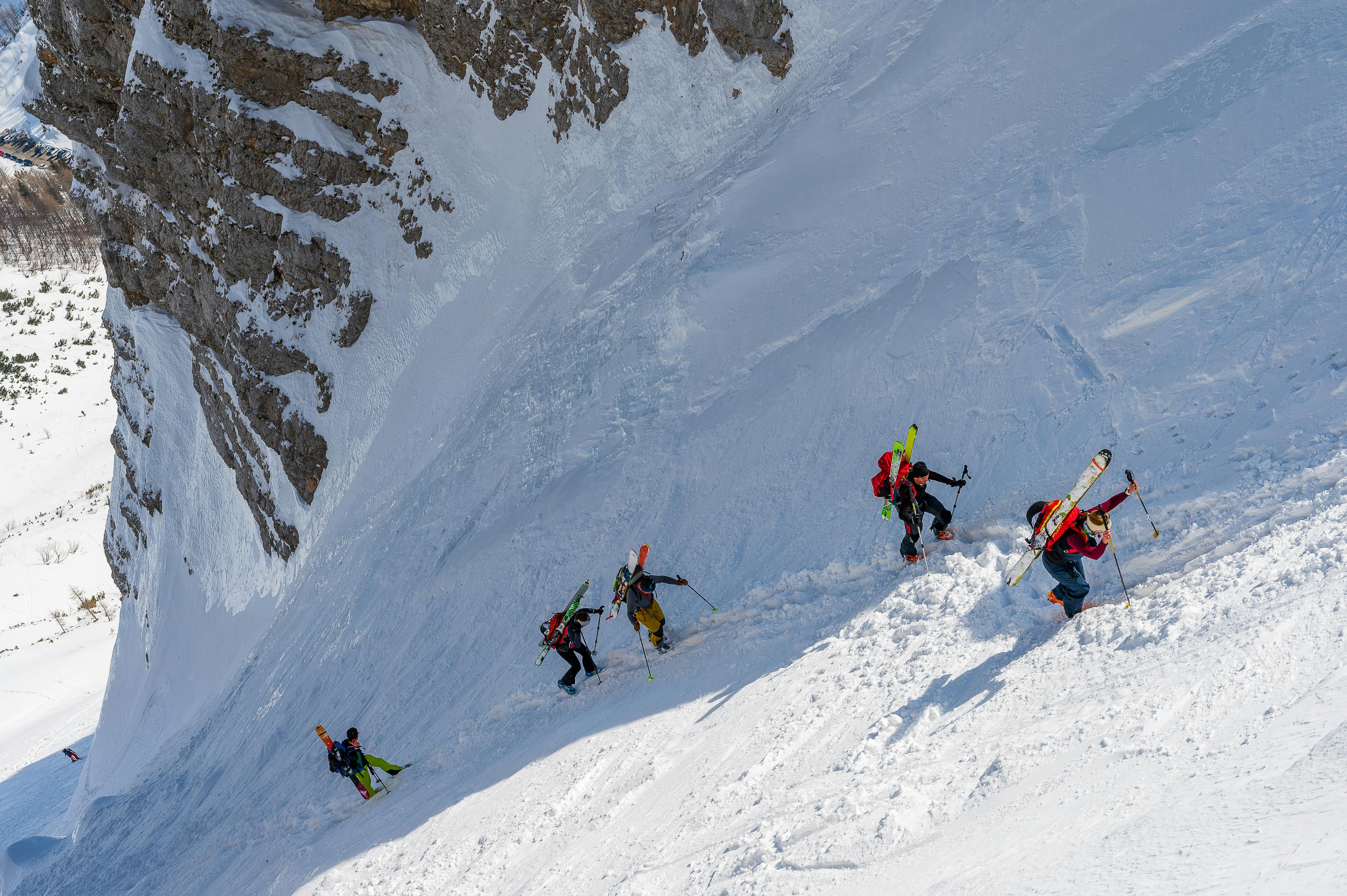
A winter camp with snow in every direction still has a water problem. Converting that snow into drinkable water is an energy-intensive process, and the fuel required drives much of the camp routine.
The phase change is where the fuel goes
Turning ice into liquid at the same temperature requires a large amount of energy without raising the temperature at all, which is why a pot of snow seems to sit forever.
Snow is also mostly air. A full pot of loose snow yields a small amount of water, so the process must be repeated many times for a group.
Fuel estimates for winter trips are therefore built around water production rather than cooking, and running low on fuel becomes a hydration emergency rather than a dinner problem.
Technique changes the efficiency substantially
Starting with a small amount of liquid water in the pot lets the snow melt into it rather than scorching against dry metal, which is faster and gentler on the pot.
Adding snow gradually to an existing pool works better than packing the pot full, and denser snow from lower in the pack yields more water per scoop.
Keeping a lid on is the single largest efficiency gain available, since an uncovered pot loses much of the heat straight into the air.
Stove choice is a cold-weather decision
Canister stoves lose pressure as temperatures drop, because the fuel inside must vaporize to burn, and the canister cools further as it runs.
Liquid fuel stoves that are pumped to pressure are less affected, which is why they remain standard for extended winter use in cold conditions.
Some canister systems are designed to run inverted or with a preheat loop, which addresses the same problem by different means.
Snow quality affects what you drink
Surface snow near a camp collects whatever the camp produces, so collection areas are established away from the kitchen and the toilet from the first hour.
Clean-looking snow can carry contaminants from wildlife or from a road corridor, and boiling addresses biological hazards but not chemical ones.
Groups establish a marked collection zone on arrival for exactly this reason, and it is a habit that survives because the alternative is unpleasant.
Overnight storage is planned
Water left out freezes, so bottles are stored insulated, inverted, or brought into a sleeping bag, which is unpleasant but preserves the fuel already spent.
Many winter campers melt the following morning's water the night before, because the fuel and time cost is easier to absorb in the evening.
A frozen bottle in the morning represents fuel already burned and now wasted, which is the calculation behind an otherwise strange-looking routine.
Also by Jonas Lindqvist
- How to read an avalanche forecast properlyBackcountry Snow
- Spring snow: wet slides, timing, and the shrinking windowBackcountry Snow
- Your first season of ski touring: what nobody warns you aboutBackcountry Snow
- Electronics in the cold: keeping the things you depend on aliveGear & Kit


