Risk & Rescue
Writing Down What Happened While It Is Fresh
An accurate record made in the hours after an incident serves the injured person, the rescue team and the wider community, and memory degrades faster than people expect.
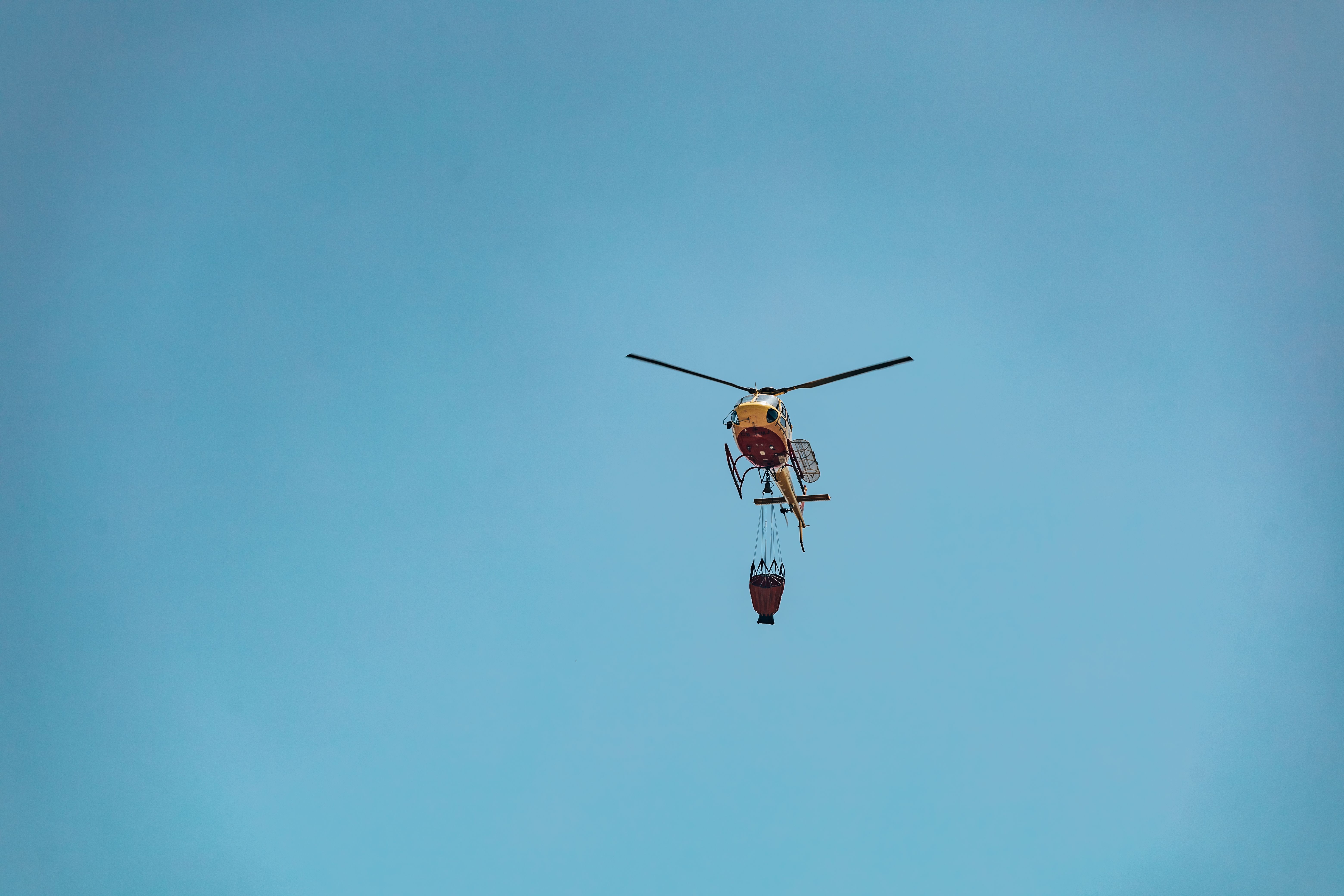
The hours after a backcountry incident are the worst time to write anything and the best time for the record to be made. Memory reshapes events quickly, and several parties depend on what is written.
Recall changes as a group talks
Human memory is reconstructive, and group discussion converges individual accounts toward a shared version that may be more coherent than what actually happened.
This is well documented outside adventure sports, and it is the reason investigators in other fields separate witnesses before taking statements.
A party that has each person write independently before comparing notes preserves details the collective account will otherwise smooth away.
The clinical timeline is the most perishable part
Times matter to medical providers: when the injury occurred, when symptoms changed, when a person was last fully alert and what was administered.
Those details are the first to blur, and they are the ones a receiving clinician asks for immediately on handover.
Wilderness medical training teaches a structured patient record for this reason, and using it during the incident is far easier than reconstructing afterward.
Rescue teams and land managers need the facts
Search and rescue organizations document incidents for their own review, and inaccurate accounts propagate into training material and into the local understanding of a hazard.
Land managers use incident records when deciding on signage, closures and infrastructure, so a vague report contributes little to preventing a repeat.
Providing a clear account is one of the few ways a party involved in an accident can produce something useful from it.
Published accident reporting is how the community learns
The climbing, avalanche and paddling communities in the United States each maintain published accident reporting, compiled annually or continuously by their respective organizations.
Those publications exist because pattern recognition across many incidents reveals things no single account shows, including the decision errors that recur.
Contributing to them is voluntary, and the honest reports are the valuable ones, which is a difficult thing to ask of people who have had a bad day.
Separate the record from the judgment
A useful account states what was observed and when. Conclusions about cause and fault belong in a separate discussion held later.
Mixing them produces a document that is defensive rather than informative, and defensive accounts are the ones that omit the details that matter most.
Where insurance, liability or a legal process may be involved, the specifics vary by state and situation, and that is a conversation for a qualified professional rather than for the trailhead.


