Surf & Ocean
Bodysurfing Removes The Equipment And The Margin
Riding a wave without a board demands a closer read of the water and puts the swimmer in the impact zone with nothing to hold onto or hide behind.
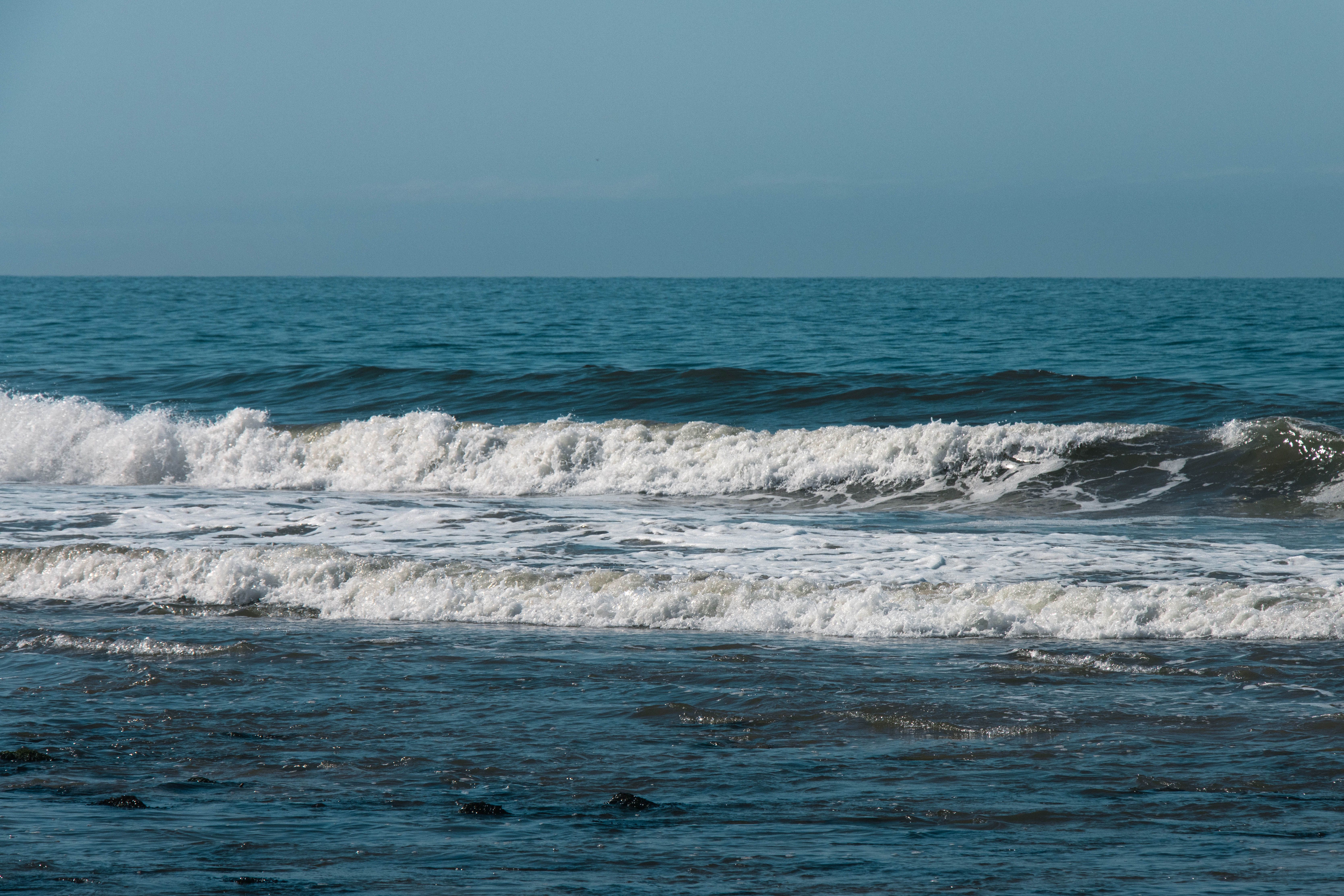
Bodysurfing predates every board design and remains a distinct discipline rather than a beginner's version of surfing. Without equipment, the swimmer's relationship to the wave changes entirely.
Positioning replaces paddling power
A board lets a surfer generate speed to match a wave. A swimmer cannot, so the wave must be caught exactly where it begins to break.
That demands reading the peak precisely and being in the right place before the wave arrives, since there is no ability to correct late.
Bodysurfers consequently spend more time watching sets and reading the bank than they do swimming, which looks like inactivity from the beach.
The body becomes the planing surface
Once on the wave, the rider extends an arm ahead and drops a shoulder to hold a line, using the head, chest and arm as the surface that plans.
Handplanes, small hand-held boards, add lift to that leading arm and are the discipline's only widely used equipment beyond fins.
Swim fins are the significant piece of gear, providing the propulsion to match the wave, and they change what is catchable more than anything else.
There is no flotation between you and the sand
A bodysurfer takes the wave's force directly, and the ride ends in shallow water with the body as the only thing that decelerates.
Beaches with heavy shorebreak are where the discipline is most celebrated and where the documented injury patterns are most serious.
Experienced practitioners learn to exit a wave before it closes out, which is a specific taught skill rather than something that develops naturally.
Being unmarked in the water carries its own risk
A surfer with a board is visible from the beach and has flotation if exhausted. A bodysurfer has neither, which changes what fatigue means.
Lifeguards at surf beaches account for this, and swimming near a staffed tower matters more here than it does for board riders.
Fins also alter how far a swimmer travels along a beach in a current without noticing, so checking position against a fixed landmark is standard practice.
It teaches the wave in a way boards do not
Bodysurfers frequently describe a more direct sense of how a wave is moving, because the whole body is in the water rather than on it.
Many surfers and lifeguards use it as ongoing conditioning and as a way to learn a break's behavior at a level of detail a board obscures.
That is also why it is taught in ocean lifeguard training, where reading water and swimming through surf are core professional competencies.