Surf & Ocean
How Lifeguards Read A Beach Before Anyone Arrives
Professional beach patrols assess surf, current and sandbar layout at dawn and place their flags accordingly, which is why the safe zone moves from day to day.
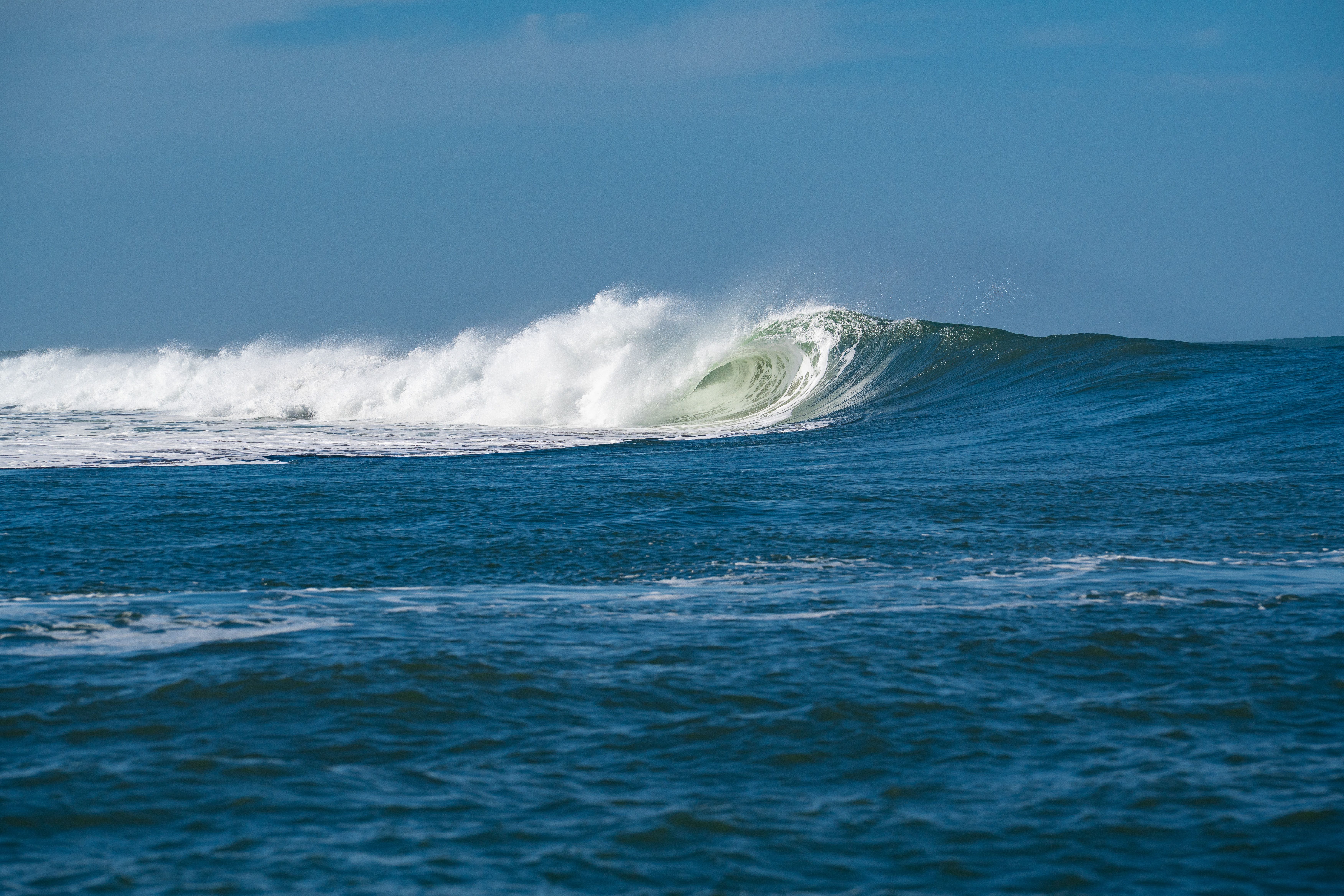
Open-water lifeguards in the United States start a shift by reading the beach rather than by climbing the tower. The flags and swim zones that appear afterward are the output of that reading.
The morning survey sets the day
Guards walk or drive the beach at first light, looking at where the waves are breaking, where the water is deeper and where the surface texture changes.
Overnight tides and swell rearrange sandbars, so the pattern that existed yesterday may not exist today. The survey is repeated because the beach is not a fixed object.
What they are building is a mental map of where water is moving offshore, because that is where swimmers get into trouble.
Zones are placed relative to hazards, not to parking
Swim areas are positioned away from rip current channels, piers, jetties and shorebreak, and near where a guard can reach a swimmer quickly.
That placement can seem arbitrary from the sand, particularly when the flagged area is a walk from the parking lot and the empty water nearby looks calmer.
Calm-looking water at a surf beach is frequently the rip channel, because a current moving seaward flattens the incoming waves above it.
Flags mean specific things and vary by agency
Colored flag systems communicate surf and hazard conditions, and while the common colors are broadly consistent, the exact scheme is set by the operating agency.
Beaches run by a city, a county, a state park and the National Park Service may all use slightly different conventions on adjacent stretches of the same coast.
The posted key at the entrance is the authoritative version, and reading it takes less time than assuming it matches the last beach you visited.
Prevention is most of the job
Guards spend far more of their time moving people away from developing problems than performing rescues, and agencies track those preventive actions as core work.
A guard who whistles a swimmer back before a current takes them has done the highest-value version of the job, invisible though it is.
This is also why guarded beaches concentrate swimmers into a zone rather than spreading them out. Supervision only works within sight and reach.
Unguarded hours are a different beach
Patrol seasons and hours are budget decisions, and the same beach that is fully staffed in July may have no coverage in September or after late afternoon.
The hazards do not follow that schedule. Rip currents and shorebreak are frequently stronger outside peak season, when swell energy along much of the coast increases.
Swimming near a staffed tower during staffed hours remains the single largest reduction in risk available to anyone entering the ocean.