Whitewater
Self-Support River Trips Change Every Calculation
Carrying camp and food inside a kayak alters how the boat handles, how the group makes decisions and what a swim costs, in ways day-trip experience does not prepare for.
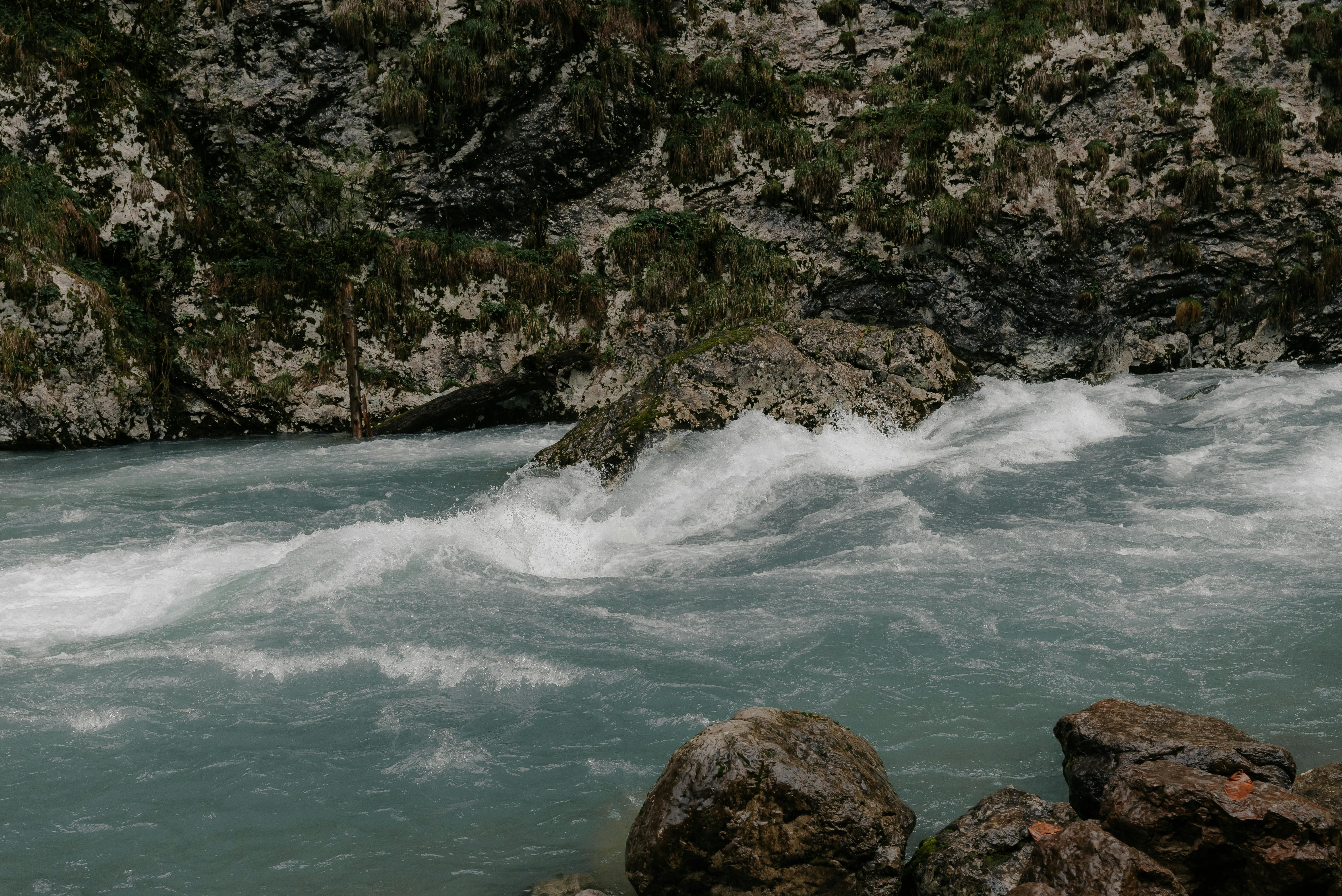
Multi-day self-support paddling, where everything needed is carried inside the boat, is a distinct discipline from day running. The differences begin with the boat and extend into every decision the group makes.
A loaded boat is a different boat
Gear stowed in the bow and stern raises the boat's weight substantially and changes how it accelerates, turns and responds to a stroke.
A loaded kayak resists being spun and carries momentum further, which affects eddy turns, ferries and the ability to make a late correction above a drop.
Paddlers routinely find they run a grade lower loaded than they would empty, and planning around that rather than discovering it is the sensible order.
Rolling changes with the load
The added weight and altered distribution change the roll, and a reliable empty-boat roll can feel unfamiliar the first time it is attempted loaded.
Most people practice this deliberately before a trip, on flat water with the boat packed as it will be, rather than testing it in a rapid.
The same applies to the wet exit and to re-entry, both of which are harder with a full boat and cold hands.
A swim costs more than a swim
Losing a loaded boat means losing the sleeping bag, the food and the shelter for a group that may be days from a road.
That consequence is what changes the decision-making. Parties scout more, portage more readily and choose conservative lines they would not bother with on a day run.
Redundancy is distributed rather than duplicated, with critical items spread across boats so no single loss ends the trip.
Permits and regulations govern most of the good runs
Many American multi-day river corridors are managed with permit systems, seasonal limits and specific requirements for waste carry-out, fire pans and group size.
Those requirements are set by the managing agency and vary by river and by season, so the current permit conditions are the authoritative source.
Compliance is not administrative detail: the rules exist because concentrated use in a narrow corridor degrades it quickly.
Communication and evacuation are planned in advance
River canyons are among the worst environments for satellite communication because of the walls, and an emergency plan built on messaging may not function.
Groups plan around known access points, note where a canyon rim can be climbed and leave a detailed itinerary with someone who will act on it.
The evacuation from a river corridor is slow regardless of how quickly help is notified, which is the assumption the rest of the planning is built on.