Surf & Ocean
Why Great Lakes Surf Behaves Differently
Freshwater surf is generated by wind on the lake itself rather than by distant storms, which produces short, steep waves and a very narrow window to catch them.
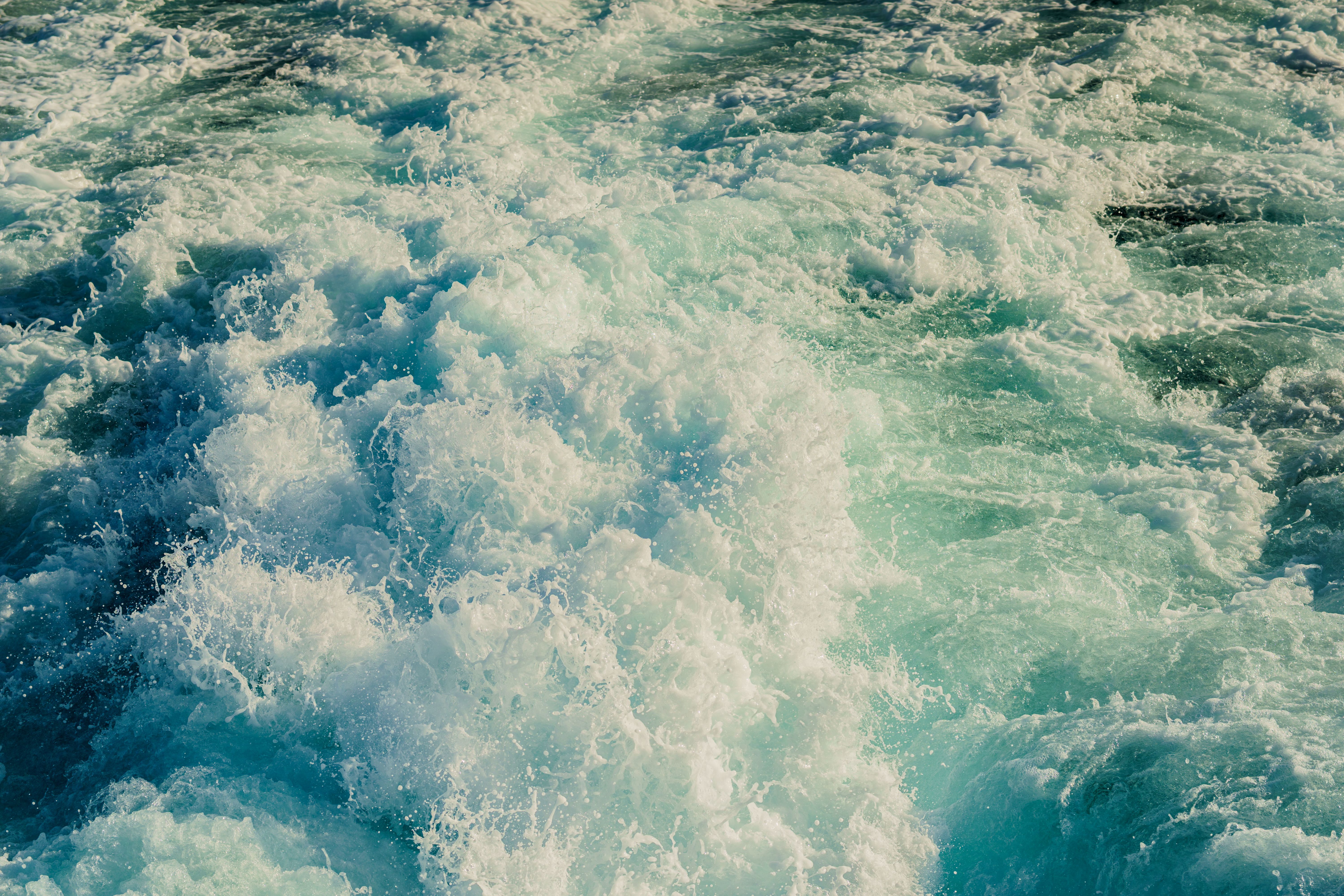
Surfing on the Great Lakes is an established American surf culture with its own logic. The waves are made locally, and almost everything that follows is a consequence of that.
There is no groundswell
Ocean surf arrives from storms hundreds or thousands of miles away, sorted by travel into long-period sets. A lake has no room for that journey.
Lake waves are wind sea: generated by the wind blowing over the water at that moment, across a limited fetch, and unsorted as a result.
The practical consequence is that the wave exists while the wind blows and disappears shortly after it stops, often within hours.
Short period means steep and close together
Wind waves carry less energy per wave and arrive with short intervals, producing a steep, quick-breaking wave with little push behind it.
Sets are less defined, the lulls that let ocean surfers paddle out are shorter, and the paddling is close to continuous.
Boards used on the lakes reflect this, with surfers favoring more volume and different outlines to generate speed in waves that provide less of it.
The season is inverted
The strongest winds over the lakes come in fall and winter, so the surf season peaks when the air temperature is at its lowest.
Surfers there deal with air temperatures well below freezing, ice forming on beaches and on equipment, and water cold enough to be a serious hazard in itself.
Thick wetsuits, hoods, gloves and boots are standard, and the cold water risks are the ones that dominate safety discussions in those communities.
Freshwater floats you less
Fresh water is slightly less dense than seawater, so both surfer and board sit marginally lower, and wetsuit buoyancy is slightly reduced.
The difference is small but it compounds with an already low-energy wave, which is part of the reasoning behind higher-volume boards.
Surfers moving between ocean and lake commonly notice it as the board feeling less lively rather than as a measurable change.
Local hazards are their own category
The lakes generate strong structural currents around piers and breakwalls, and drownings associated with those structures are a documented and recurring problem.
Ice shelves along winter shorelines can be undercut and unstable, which adds a hazard to the walk in that has no ocean equivalent.
Regional agencies and the National Weather Service issue swim and beach hazard statements for the lakes, and those forecasts are the practical planning source.