Surf & Ocean
Why Surf Contests Sit And Wait For Swell
Competitive surfing runs on waiting periods rather than fixed dates, an arrangement that exists because the playing field arrives on its own schedule.
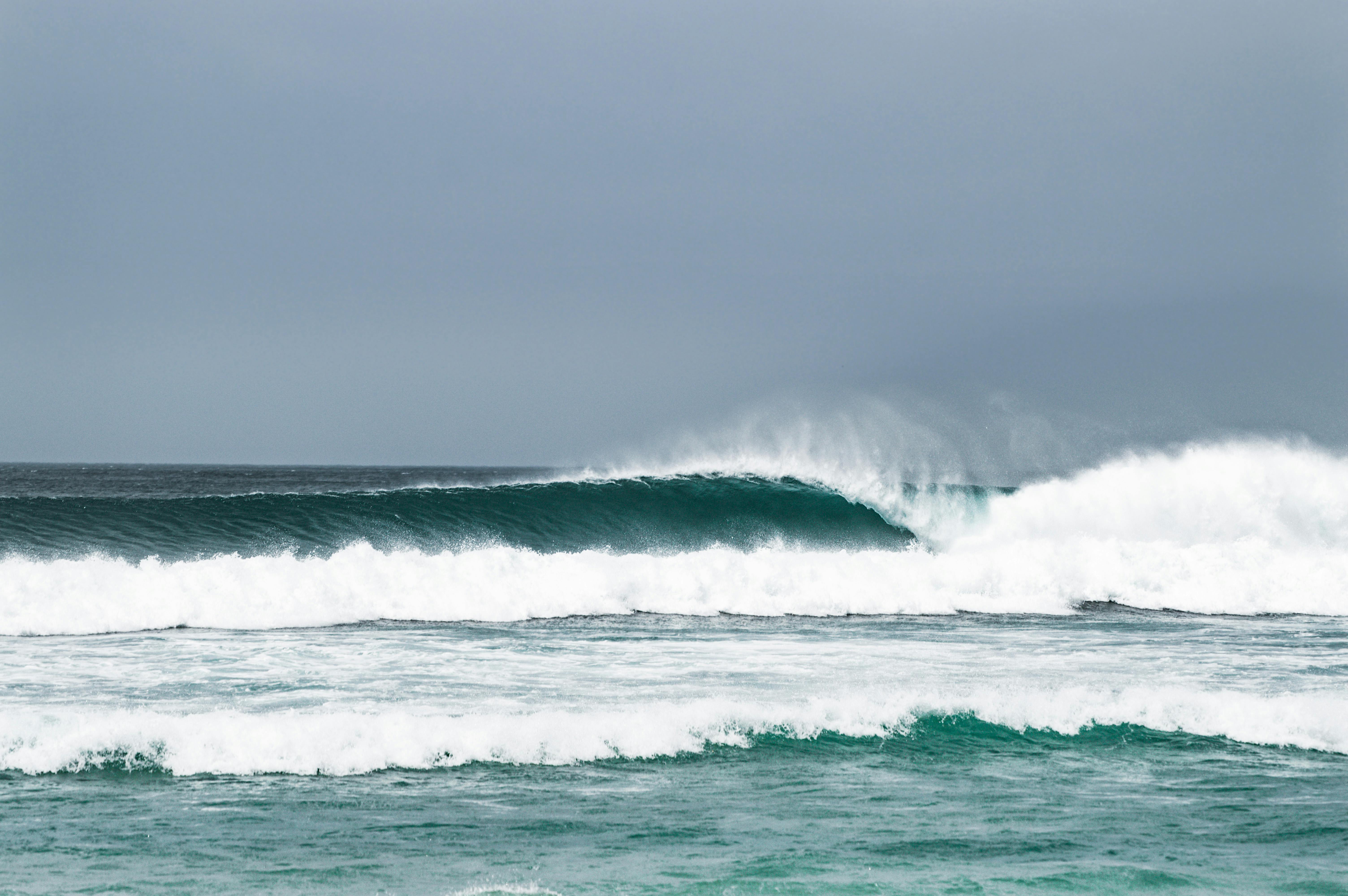
A surf contest with a fixed start time would be a scheduling accident. The sport instead runs on waiting periods, and the structure follows directly from how swell is generated.
The waves come from storms that are days away
Groundswell is produced by distant storm systems and travels for days across open ocean before arriving. Nobody schedules the storm.
Forecasters can see a swell forming and estimate its arrival within a window, but the exact size, period and direction on the day remain uncertain until close in.
A contest fixed to a single date would therefore be gambling on the ocean cooperating, which over a season it consistently does not.
The waiting period is the scheduling solution
Events are assigned a window of days or weeks, and the organizers call the event on within it when conditions match what the venue needs.
Competitors, judges and staff commit to the entire window, which is why a professional schedule looks like blocks of availability rather than dates.
Calling it on too early wastes the good swell; calling too late risks running out of window and finishing in poor conditions.
Venues are chosen for reliability, not for size
Contest locations are typically breaks with a well-documented seasonal pattern, so the probability of catching something rideable within a window is high.
Those breaks also need to work at a range of sizes, because a venue that only performs at one exact swell height narrows the window unusably.
Local knowledge is embedded in the choice. The people advising on the call are usually those who have watched the break for decades.
Tide and wind constrain the day itself
Even with the swell present, a break may only work across a couple of hours of tide, and an onshore wind can flatten the wave face entirely.
Contest directors therefore schedule heats around a tidal window and often pause when conditions deteriorate, which is why coverage includes long holds.
Those holds look like indecision from outside and are in fact the same judgment surfers make daily about whether to paddle out.
Big wave events run on a shorter fuse
Events at large-wave venues operate with alerts issued only days ahead, because the swells that make them possible occur a handful of times per season.
Competitors travel on short notice, and the safety operation, including water patrol and medical staging, has to spin up in the same window.
That compressed timeline is why those events are run by teams with deep local experience and are called off readily when the forecast softens.